Popular Russia - видео - все видео
Новые видео из канала RuTube на сегодня - 19 April 2026 г.
Новые видео из канала RuTube на сегодня - 19 April 2026 г.
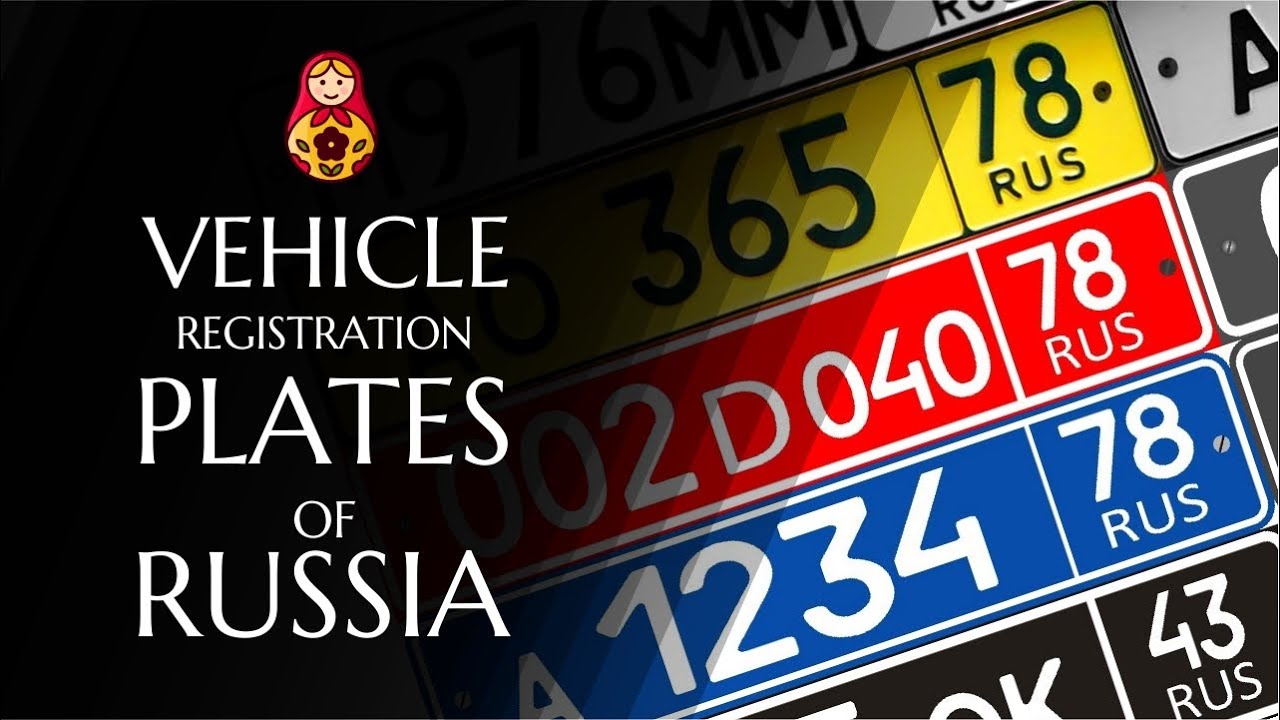
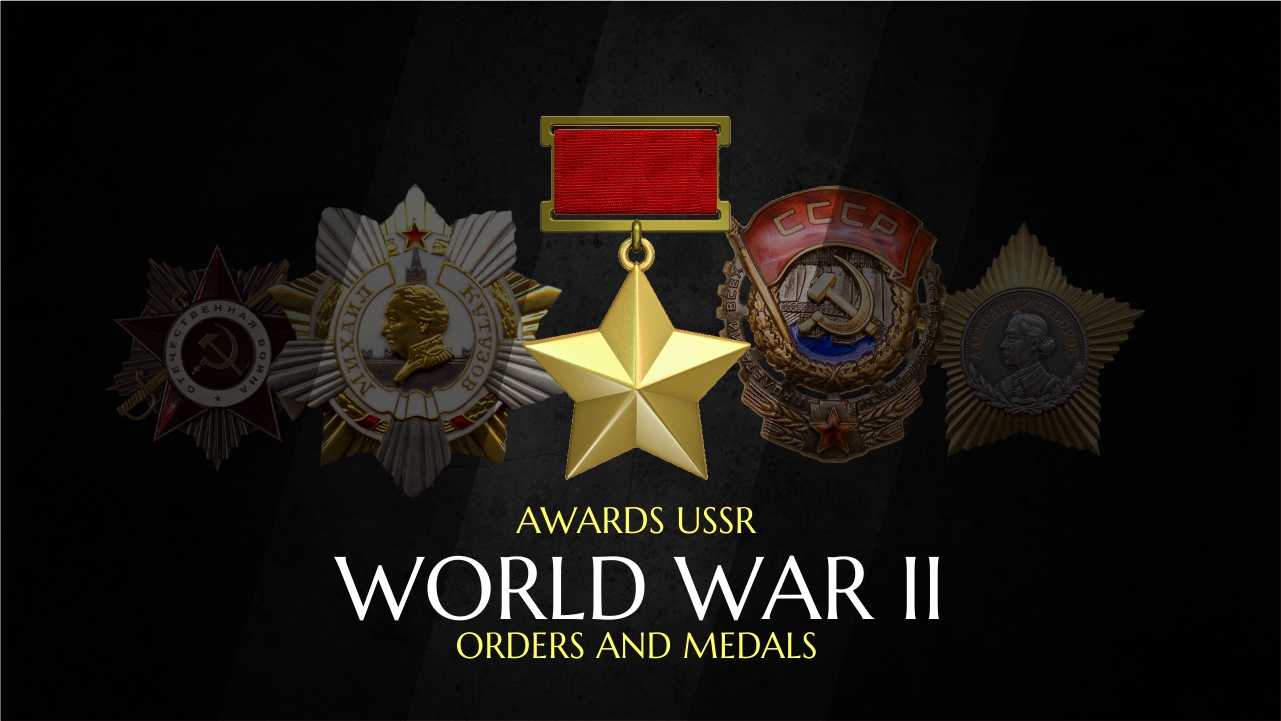
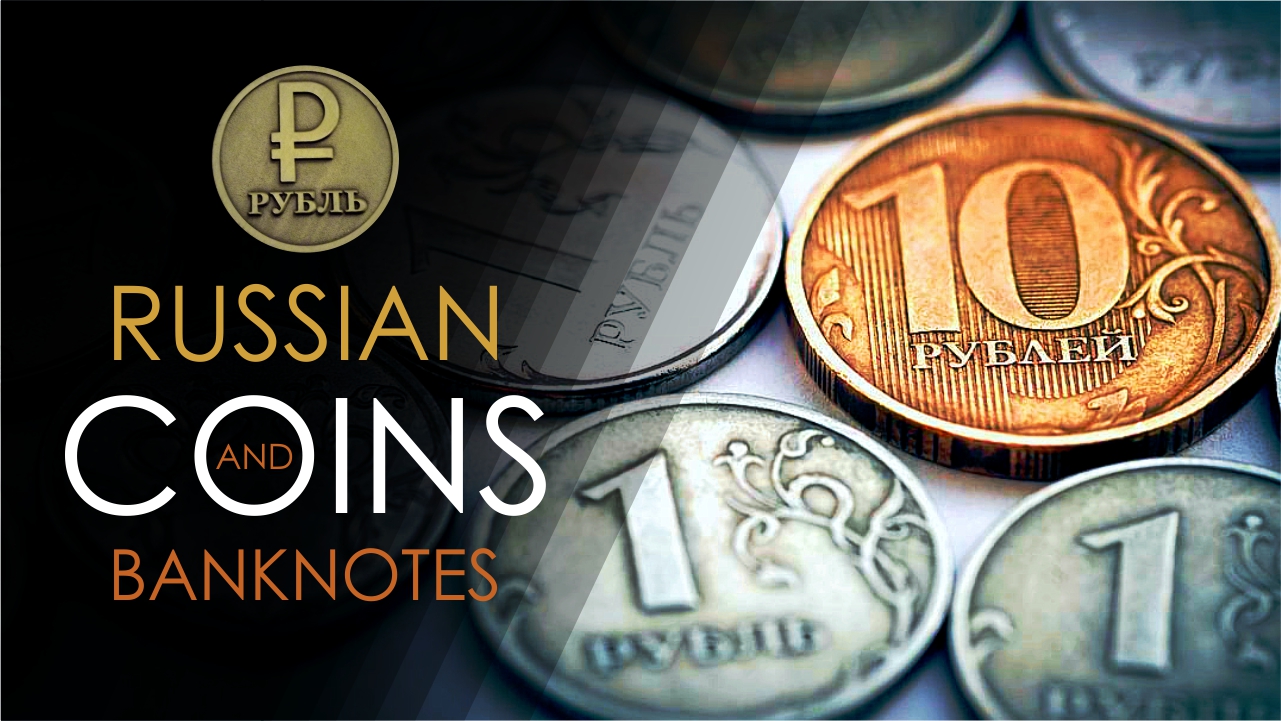
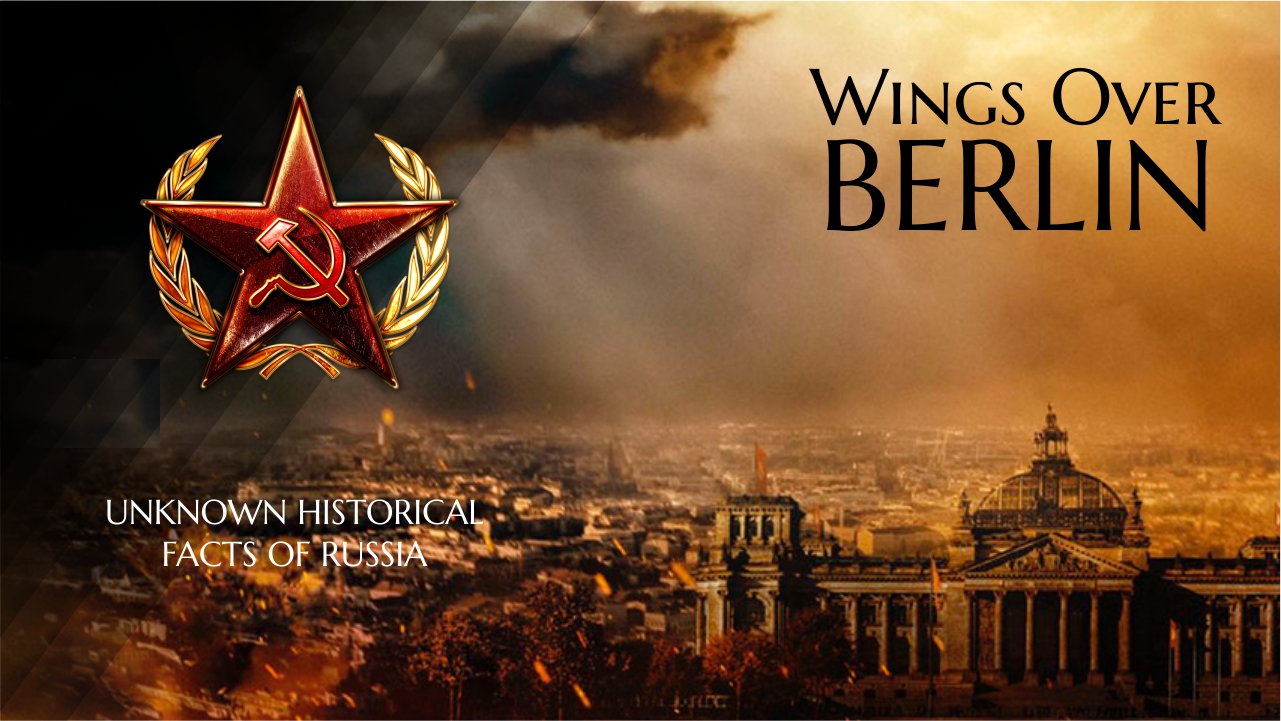
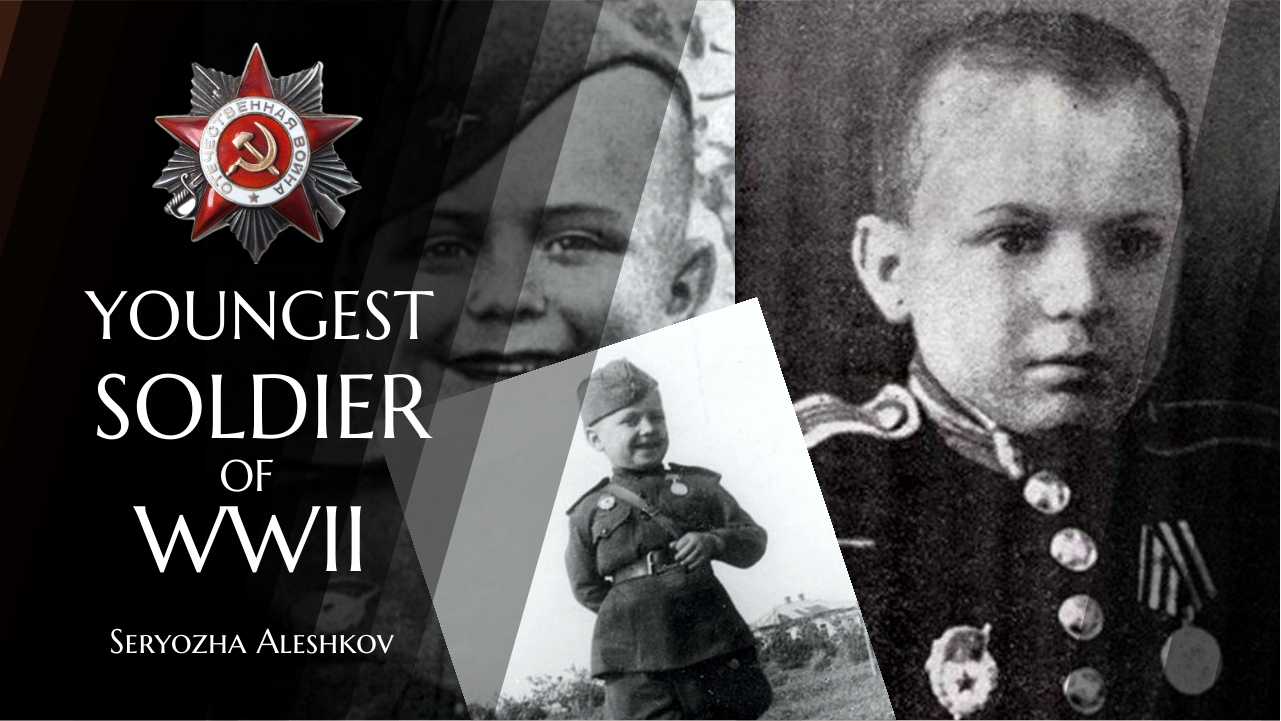
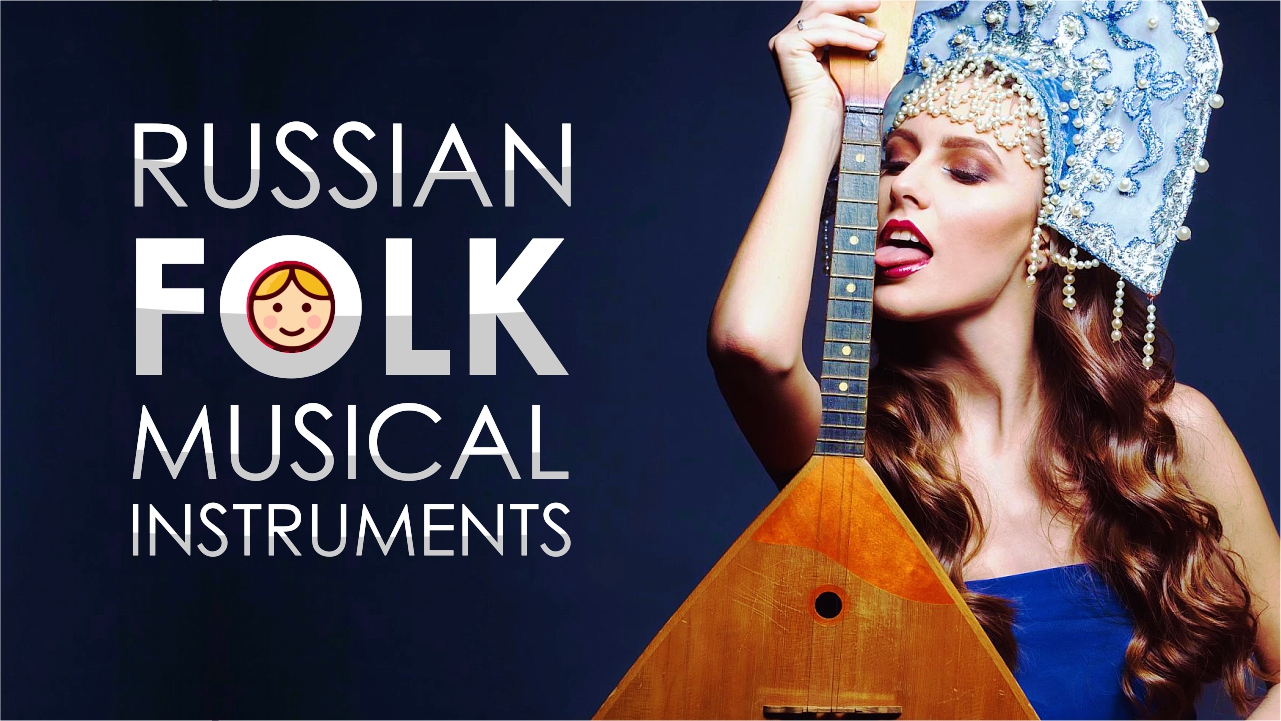
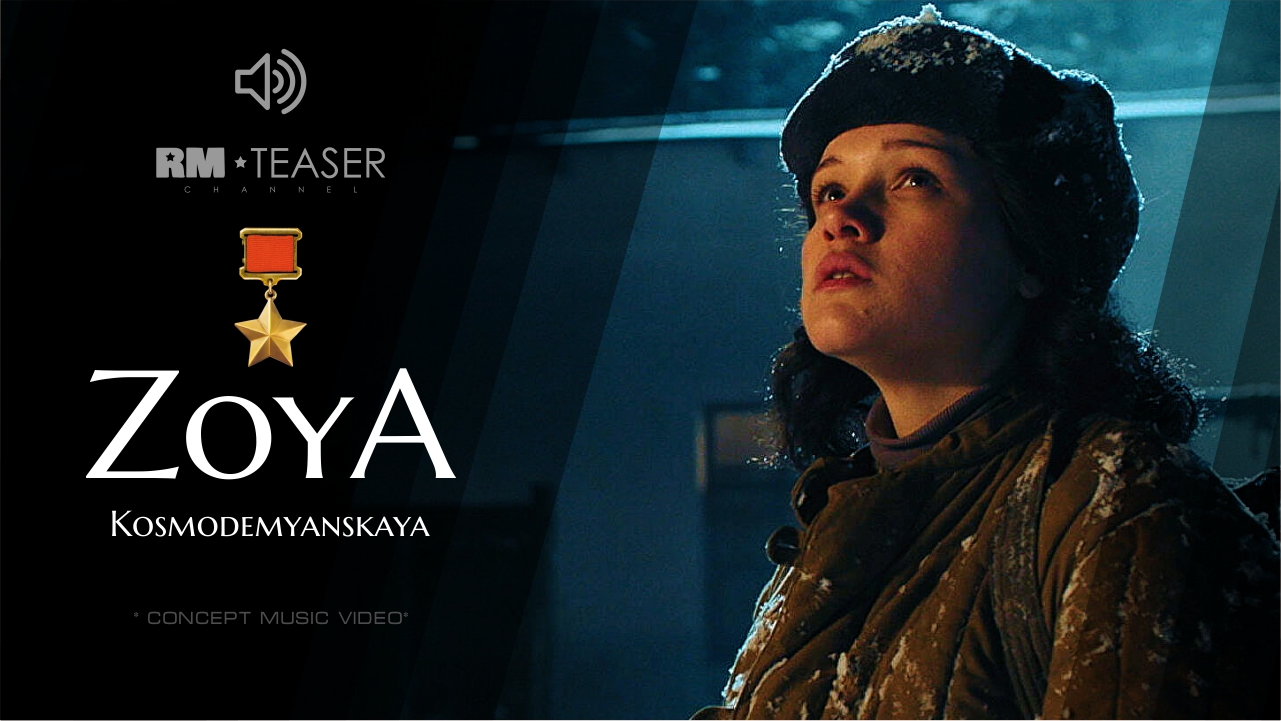
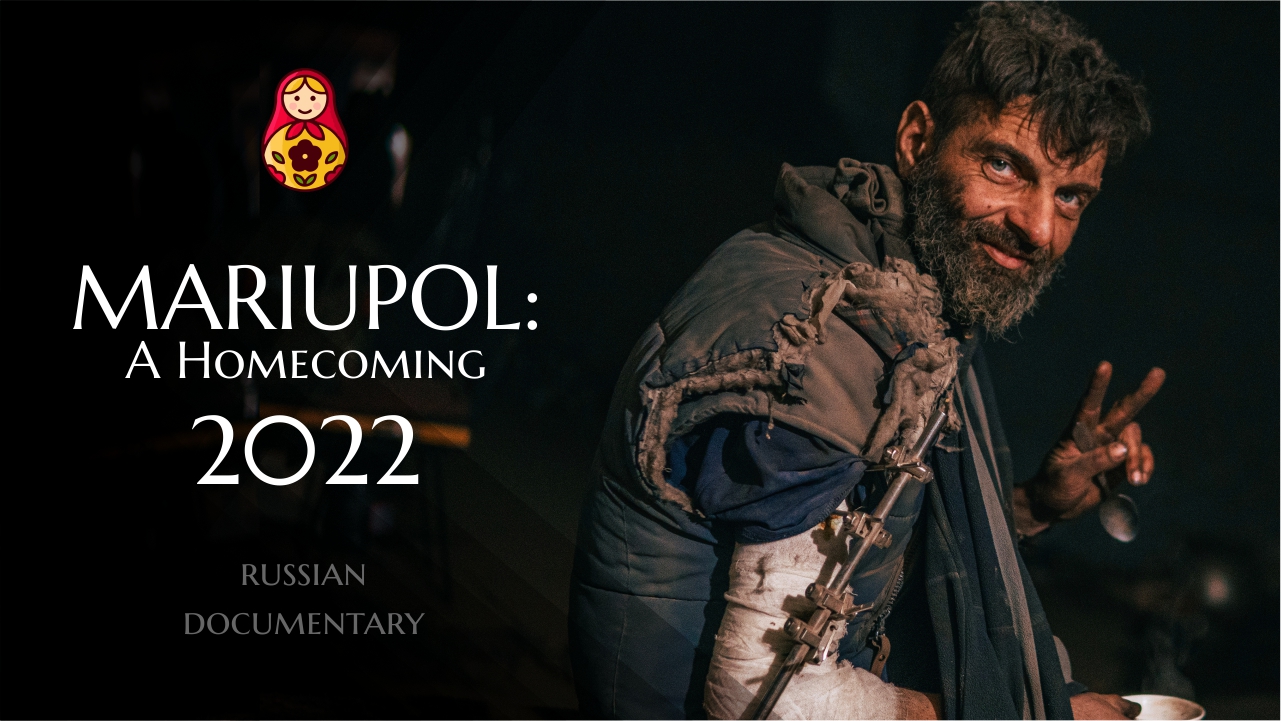
The Republics of the Union of Soviet Socialist Republics or the Union Republics. The number of the union republics of the USSR varied from 4 to 16. From 1956 until its dissolution in 1991, the Soviet Union consisted of 15 Soviet Socialist Republics. #russia #ussr #sovietunion #history Russia (Russian: Россия, tr. Rossiya, pronounced [rɐˈsʲijə]), or the Russian Federation, is a country spanning Eastern Europe and Northern Asia. It is the largest country in the world, covering over 17,125,191 square kilometres (6,612,073 sq mi), and encompassing one-eighth of Earth's inhabitable landmass. Russia extends across eleven time zones, and has the most borders of any country in the world, with sixteen sovereign nations. It has a population of 146.2 million; and is the most populous country in Europe, and the ninth-most populous country in the world. Moscow, the capital, is the largest city entirely within Europe; while Saint Petersburg is the country's second-largest city and cultural centre. #russia #PopularRussia What's popular on YouTube - Russia? Check out the latest music videos, Russian movies trailers, comedy clips, and everything else that people are watching right now. FOR FUN. RUSSIA - https://clck.ru/UB9vt FACTS ABOUT RUSSIA - https://clck.ru/UB9wo RUSSIAN CULTURE AND ART - https://clck.ru/UB9yT RUSSIAN ARMY - https://clck.ru/UBA2D RUSSIAN MOVIES - https://clck.ru/UBA4H RUSSIAN CUISINE - https://clck.ru/UBA5N NATURE OF RUSSIA - https://clck.ru/UBA6P Russia is a mysterious country. It can be very cold and very hot. But there are good people everywhere. My friend subscribe to the channel and you will know a little more about this country. I live in Russia and I want to show Wat what is not talked about on TV. Each like or dislike is an assessment of my work .. Thank you in advance.What do all Vehicle Registration plates mean and look like in Russia Vehicle registration plates are the mandatory number plates used to display the registration mark of a vehicle, and have existed in Russia for many decades. Most motor vehicles which are used on public roads are required by law to display them. Having a number plate obstructed by snow, mud, paper, or any other tool that makes any of the digits and letters illegible is considered an administrative offense and results in a fine.Supernatural beings in Slavic folklore. What are they called and look like _How does the Russian alphabet sound and how is it pronouncedhistory and feat of the Russian Podolsk cadetsAll Soviet military medals and orders of the Second World WarAll MODERN Russian coins and banknotes with a full description1941. Wings Over Berlin. Unknown Historical Facts of Russia The story of the feat of the pilots of the 1st mine-torpedo aviation regiment of the Baltic Fleet Air Force, headed by Colonel Preobrazhensky. 1941. Wings Over Berlin (Russian: 1941. Крылья над Берлином, romanized: 1941. Krylya nad Berlinom) is a 2022 Russian WWII film directed by Konstantin Buslov, also presented by the producer and one of the film's screenwriters. It stars Maksim Bityukov and Sergei Puskepalis in supporting roles. The film tells about the heroic deed of the pilots of the 1st Mine-Torpedo Aviation Regiment of the Baltic Fleet Air Force, headed by Colonel Preobrazhensky, who were tasked with striking Berlin The story of the feat of the pilots of the 1st mine-torpedo aviation regiment of the Baltic Fleet Air Force, headed by Colonel Preobrazhensky. They had the most difficult combat mission - to inflict the first bombing strikes on Berlin, the capital of Nazi Germany. Music: MegaHeavySuspenseby Alexander Nakarada (www.serpentsoundstudios.com) Licensed under Creative Commons BY Attribution 4.0 License https://creativecommons.org/licenses/by/4.0/ our telegram channel - https://t.me/Popular_Russia our rutube channel - https://rutube.ru/channel/11627194/Sergey Andreevich Aleshkov (Aleshkin) (February 15, 1936 (according to some sources — 1934), Gryn, Western region — February 1, 1990, Chelyabinsk) — a participant in the Great Patriotic War, the son of the regiment, a pupil of the 142nd Guards Rifle Regiment of the 47th Guards Rifle Division. He took part in the Battle of Stalingrad, was the youngest defender of Stalingrad.Russian folk musical instruments you need to knowStilyagi (Russian: стиляги, IPA: [sʲtʲɪˈlʲæɡʲɪ], lit. "stylish, style hunters") were members of a youth counterculture from the late 1940s until the early 1960s in the Soviet Union. A stilyaga (Russian: стиляга, IPA: [sʲtʲɪˈlʲaɡə]) was primarily distinguished by snappy clothing—preferably foreign-label, acquired from fartsovshchiks (those who engage in fartsovka) —that contrasted with the communist realities of the time, and a fascination with zagranitsa, modern Western music and fashions corresponding to those of the Beat Generation. English writings on Soviet culture variously translated the derogatory term as "dandies", "fashionistas", "beatniks", "hipsters", or "zoot suiters". Their apolitical views, neutral or negative attitudes toward Soviet morality, and their open admiration of modern, especially American, lifestyles were key characteristics that slowly developed during the 1950s. At the dawn of the phenomenon, the stilyagi look was rather a caricature, inspired by movies from abroad of recent years. It resembled the zoot suit but combined different bright colors. By the late fifties, the look had evolved into something more elegant and stylish. Typical stilyagi wear included narrow pants, long jackets, narrow ties, bright-colored shirts, and thick soled shoes. Usually stilyagi enjoyed popular American music of the 1940s, especially swing and boogie-woogie, especially the music of Glenn Miller, Benny Goodman and the soundtrack from the film Sun Valley Serenade. The "serenade" instantly became a cult among stilyagi, and one of its songs, the famous "Chattanooga Choo Choo", served as their unofficial anthem. Stilyagi developed their own styles of dance originating from boogie-woogie and later also adopted rock-n-roll. Today, the stilyagi phenomenon is regarded as one of the Russian historical social trends which further developed during the late Soviet era (notably the Stagnation Period) and allowed "informal" views on life, such as hippies, punks and rappers.Fortress of War (Russian: Брестская крепость; translit. Brestskaia krepost; festival title: The Brest Fortress) is a 2010 Russian-Belarusian war film recounting the June 1941 defense of Brest Fortress against invading Wehrmacht forces in the opening stages of Operation Barbarossa, Nazi Germany's invasion of the Soviet Union during World War II. Events are narrated from the perspective of 15-year-old Sasha Akimov, centering on three resistance zones holding out against the protracted German siege. The defending forces are led by regiment commander Major Pyotr Gavrilov (44th Rifle Regiment of the Red Army), with Regimental Commissar Yefim Fomin (84th Rifle Regiment of the Red Army), and the head of the 9th Frontier Outpost, Lieutenant Andrey Mitrofanovich Kizhevatov. Musical accompaniment for the Russian story: The Brest Fortress This is an unofficial music trailer movie created by us. In the video you will not hear comments, conversations and descriptions, We use music so that you can understand and draw conclusions about the film yourself. ★ Made/Edited By RM -TeaserTeam - Video editing; Kirill Bloom (RM-tiaser team) - Sound effects: RM-tiaser team - Music; Alexander Nakarada - The Great Battle - Processing and preparation of files: RM-tiaser team - Used videos: Брестская крепост, Brestskaia krepost, The Brest Fortress) ★ The programs used to create this video: - CorelDRAW Graphics Suite - Vegas Pro 13.0 - Movavi Video Converter Premium - Adobe Audition ★ Our Facebook channel https://clck.ru/Vnufv ★ Help my work - https://www.patreon.com/RMTrailer Трек: The Great Battle Исполнитель: Alexander Nakarada Licensed Royalty Music: Creativecommons.org/licenses/by/3.0Taiga (/ˈtaɪɡə/; Russian: тайга́, IPA: [tɐjˈɡa]; relates to Mongolic[1] and Turkic[2] languages), generally referred to in North America as a boreal forest or snow forest, is a biome characterized by coniferous forests consisting mostly of pines, spruces, and larches. The taiga or boreal forest has been called the world's largest land biome.[3] In North America, it covers most of inland Canada, Alaska, and parts of the northern contiguous United States.[4] In Eurasia, it covers most of Sweden, Finland, much of Russia from Karelia in the west to the Pacific Ocean (including much of Siberia), much of Norway and Estonia, some of the Scottish Highlands,[citation needed] some lowland/coastal areas of Iceland, and areas of northern Kazakhstan, northern Mongolia, and northern Japan (on the island of Hokkaidō). The Adirondack Mountains of Upstate New York form the southernmost part of the Eastern forest-boreal transition ecoregion, constituting part of the world’s taiga biome. The main tree species, the length of the growing season and summer temperatures vary across the world. The taiga of North America is mostly spruce, Scandinavian and Finnish taiga consists of a mix of spruce, pines and birch, Russian taiga has spruces, pines and larches depending on the region, while the Eastern Siberian taiga is a vast larch forest. Taiga in its current form is a relatively recent phenomenon, having only existed for the last 12,000 years since the beginning of the Holocene epoch, covering land that had been mammoth steppe or under the Scandinavian Ice Sheet in Eurasia and under the Laurentide Ice Sheet in North America during the Late Pleistocene. Although at high elevations taiga grades into alpine tundra through Krummholz, it is not exclusively an alpine biome, and unlike subalpine forest, much of taiga is lowlands. The term "taiga" is not used consistently by all cultures. In the English language, "boreal forest" is used in the United States and Canada in referring to more southerly regions, while "taiga" is used to describe the more northern, barren areas approaching the tree line and the tundra. Hoffman (1958) discusses the origin of this differential use in North America and how this differentiation distorts established Russian usage.[5] Climate change is a threat to taiga,[6] and how the carbon dioxide absorbed or emitted[7] should be treated by carbon accounting is controversial.Russian (Russian: русский язык, romanized: russkiy yazyk) is an East Slavic language mainly spoken across Russia. It is the native language of the Russians, and belongs to the Indo-European language family. It is one of four living East Slavic languages,[a] and is also a part of the larger Balto-Slavic languages. Besides Russia itself, Russian is an official language in Belarus, Kazakhstan, and Kyrgyzstan, and is used widely as a lingua franca throughout Ukraine, the Caucasus, Central Asia, and to some extent in the Baltic states. It was the de facto language of the former Soviet Union, and continues to be used in public life with varying proficiency in all of the post-Soviet states. Russian has over 258 million total speakers worldwide. It is the most spoken Slavic language, and the most spoken native language in Europe, as well as the most geographically widespread language of Eurasia. It is the world's seventh-most spoken language by number of native speakers, and the world's eighth-most spoken language by total number of speakers. Russian is one of two official languages aboard the International Space Station, as well as one of the six official languages of the United Nations. Russian is written using the Russian alphabet of the Cyrillic script; it distinguishes between consonant phonemes with palatal secondary articulation and those without—the so-called "soft" and "hard" sounds. Almost every consonant has a hard or soft counterpart, and the distinction is a prominent feature of the language. Another important aspect is the reduction of unstressed vowels. Stress, which is often unpredictable, is not normally indicated orthographically, though an optional acute accent may be used to mark stress – such as to distinguish between homographic words (e.g. замо́к [zamók – a 'lock'] and за́мок [zámok – a 'castle']), or to indicate the proper pronunciation of uncommon words or names.Autumn 1941. Yesterday's schoolgirl Zoya Kosmodemyanskaya volunteered for a sabotage school. The partisan detachment, in which Zoya was located, is ambushed, and Zoya is captured by the Germans, while trying to set fire to the barn. Interrogations and torture have led nowhere. She did not say anything that could disrupt the assignment of other groups. The Nazis could not even achieve her real name - Her sacrifice was not in vain. Her feat inflamed millions of hearts, helping our soldiers to reach Berlin. This is an unofficial music trailer movie created by us. In the video you will not hear comments, conversations and descriptions, We use music so that you can understand and draw conclusions about the film yourself.Zakuska is a a general word for appetizers, starters, entrees, hors d'oeuvres, however in most cases it is the food, which accompanies vodka and other strong drinks like whisky, cognac or brandy. The word zakuska became popular in Russia in the 18th century. At first it was a synonym for breakfast. According to tradition, it consisted of cold dishes only. Leftovers from the previous night’s dinner were also welcome. Later on the word zakuska was applied to all cold dishes of Russian cuisine. The most authentic Russian zakuska are the following: – pickled fare (cabbage, cucumbers, mushrooms) – salted fish (sturgeon, salmon, caviar) – smoked meat (ham, poultry, cold-boiled pork). In the 19th century the list grew longer thanks to kholodets . Some European entrees also became zakuska, like French pate and marinated vegetables and German "bread and butter." The 20th century brought more pickled fare, along wit canned fish, olives and pickled salads. Russians still do their own pickling at home and at their dachas (summerhouse The way zakuska are served has evolved over the years. At first zakuska were served long before lunch or dinner and consisted of two or three dishes and vodka. Over the years they were consumed in increasingly closer proximity to dinner and by the late 19th century became an inseparable part of the dinner itself. The three basic ingredients remained unchanged - fish, meat and vegetables. Perhaps the main vehicle keeping zakuska popular is strong drink, which requires some light food as a chaser to avoid getting drunk. Few Russians sip on drinks - they simply don't know how. They drink vodka and other drinks by shots. And zakuska is the prime assistant in this business. There is a Russian saying that says "kogda p'esh, zakusyvat'nado" (when you drink, you should have some zakuska). Keeping in line with it the Russian drinking culture has produced some drinking and eating combinations the world has never known before. Some examples are cogn Today notions of strong drink and zakuska are inseparable - during Russian parties people usually sit at the table and have vodka and zakuska for an hour or two - sometimes longer. And only then are they ready for the main course. Listed below are some of the most popular Russian zakuska to accompany vodka: – pickled cucumbers and tomatoes: – herring with onions; – pickled mushrooms with onions; – cold salty salmon; – cold pickled cabbage (something like German sauerkraut) – kholodets and fish aspic; – vinaigrette( a mix of beetroots, pickled cucumbers, onions); – onions marinated in vinegar; – a can of Baltic sprats on rye bread with onions; – caviar on bread with butter; – Russian meat salad with slices of meat or chicken, pickled cucumbers, green peas and mayonnaise (or sour cream)Удмурты (удм. удмурт, удморт, мн.ч. удмуртъёс; устаревшее русское название — вотяки́, отяки, воть, отяцкая чудь) — финно-угорский народ, в основном проживающий в Удмуртской Республике и соседних регионах России. Говорят на удмуртском и русском языках. 58,7 % удмуртов назвали родным удмуртский язык, который относится к пермской группе финно-угорской семьи. Внутри своей языковой группы удмуртский язык вместе с коми-пермяцким и коми составляет пермскую подгруппу. По переписи 2010 года, в России проживало около 552 тысяч удмуртов, в том числе в самой Удмуртии 410 тысяч. Основная религия — православие, в сельской местности включающее остатки дохристианских верований. В современном удмуртском языке самоназвание удмуртов членится на два компонента — уд- (с неясной семантикой) и -мурт «человек, мужчина» (иранское заимствование). Этимология первого компонента не вполне ясна. По мнению С. К. Белых и В. В. Напольских, этноним удмурт восходит к иранскому *anta-marta «житель окраины, пограничья; сосед» — относительно степного ираноязычного мира, аналогично одному из названий древних славян — анты «жители окраины». Прежнее русское название — вотяки́ (отяки, воть) — восходит к тому же корню уд-, что и самоназвание удмурт (но через марийское посредство о́до «удмурт»)‘This would not have happened if NATO and Biden didn´t push this agenda, this war!’. American Zach Novak went to help the people of east Ukraine as a volunteer. He was born in Yugoslavia and compared what the Ukrainian military did in the Donbass with the NATO bombing of his birthplace.Mariupol: A Homecoming / 2022 #Ukraine #Donbass #Mariupol ‘Today, we have the same situation in Ukraine that was in Germany in 1941, with the difference that Germany was in Europe and Ukraine is near Russia,’ says the Donetsk People’s Republic’s first defence minister, Igor Khakimzyanov. In 2014, he was captured and tortured by Azov nationalists. After the Maidan, Ukrainian nationalists occupied Mariupol clamping down on civilian unrest with the use of arms. They shot citizens and killed policemen who dared to oppose them, claiming that Mariupol was theirs. In 2022 things changed. After 83 days of fierce city combat, Russian troops and Donbass militia managed to liberate the city. Since 16 May 2022, 2,439 soldiers have surrendered, while the rest of the Azov nationalists and Ukrainian army were trapped on the Azovstal plant. In our new film, you will learn the timeline, shocking witnesses of Mariupol residents and militia, and the story of great victory.secret operation to capture Slatina Airport in Kosovo after the bombing of Yugoslavia. These events became the most dangerous aggravation of relations between the Russians and the West since the Cuban Missile Crisis.