
Похожее видео
×
Red Horse Chestnut Aesculus x carnea - trunk close up - June 2018
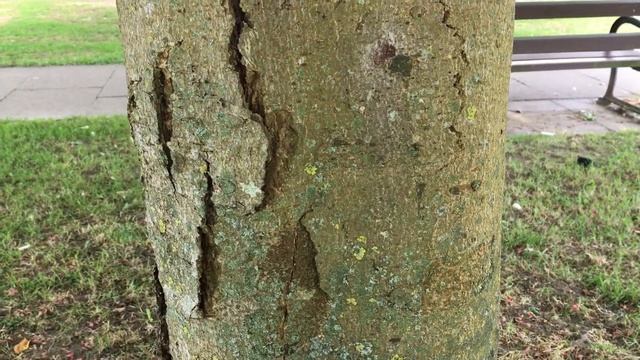
Видео: Red Horse Chestnut Aesculus x carnea - trunk close up - June 2018
A Red Horse Chestnut tree near Dixs fields of Exeter UK. Red Horse Chestnut is a cross between the more familiar Horse Chestnut conker tree and the American Red Buckeye. The Red Horse Chestnut has pink flowers and there are several cultivars which are: Briotii which has deep scarlet flowers in 10-inch-long panicles and no fruit Rosea has pink flowers ONeils Red has double red flowers Propagation is from seed an oddity for most hybrids. The flowers begin to show at the end of April right through to the beginning of June. Typically planted in parks and private gardens but occasionally planted as a street tree. Due to the excessive leaf litter and fruit conkers they can leave quite a lot of ground mess. Botanical name: Aesculus carnea All Common Names: red horse-chestnut red horsechestnut Family Botanic: Sapindaceae formerly Hippocastanaceae Tree or Plant Type: Tree Foliage: Deciduous seasonally loses leaves Native Locale: Non-native Planting Site: Residential and parks Landscape Uses: Parkwaystreet Shade tree Specimen Size Range: Medium tree 25-40 feet Mature Height: 30-40 feet Mature Width: 30-40 feet Light Exposure: Full sun 6 hrs direct light daily Partial sunshade 4-6 hrs light daily Soil Preference: Acid soil Moist well-drained soil Acid Soils: Prefers Alkaline Soils: Moderately Tolerant Salt Spray: Tolerant Soil Salt: Intolerant Drought Conditions: Intolerant Poor Drainage: Intolerant Planting Considerations: Messy fruitplant parts Ornamental Interest: Spring blossoms Showy flowers Season of Interest: Late spring Flower Color Fragrance: Pink Red Shape or Form: Round Growth Rate: Moderate Transplants Well: No Wildlife: Insect pollinators Small mammals More Information: More tolerant of dryness than horse-chestnut but still grows best in a moist soil. Disease pests and problems Large spiny fruits can be messy. Leaf blotch and mildew are possible problems but less so on this species than on related species. Disease pest and problem resistance This hybrid is less susceptible to leaf blotch and mildew than European horse-chestnut. Native geographic location and habitat This is a hybrid cross between red buckeye Aesculus pavia and Common horse-chestnut Aesculus hippocastanum. Bark color and texture Bark is gray-brown becoming platy as the tree ages. Leaf or needle arrangement size shape and texture Palmately compound leaves arranged in pairs opposite. Dark green with 5 or sometimes 7 leaflets. Fall color is yellow-brown. Flower arrangement shape and size 6 to 8 inch long cone-shaped terminal cluster. Flower color varies from pink to red. Fruit cone nut and seed descriptions Shiny brown nuts in a 1 ½ prickly husk. Horse-chestnuts are not true chestnuts and should not be eaten. Cultivars and their differences Ruby Red Horse-chestnut Aesculus x carnea Briotii: 25 to 35 feet high and 25 to 35 feet wide with a compact rounded shape Deep red flowers with yellow throats bloom in May,