videotanz - видео - все видео
Новые видео из канала RuTube на сегодня - 19 April 2026 г.
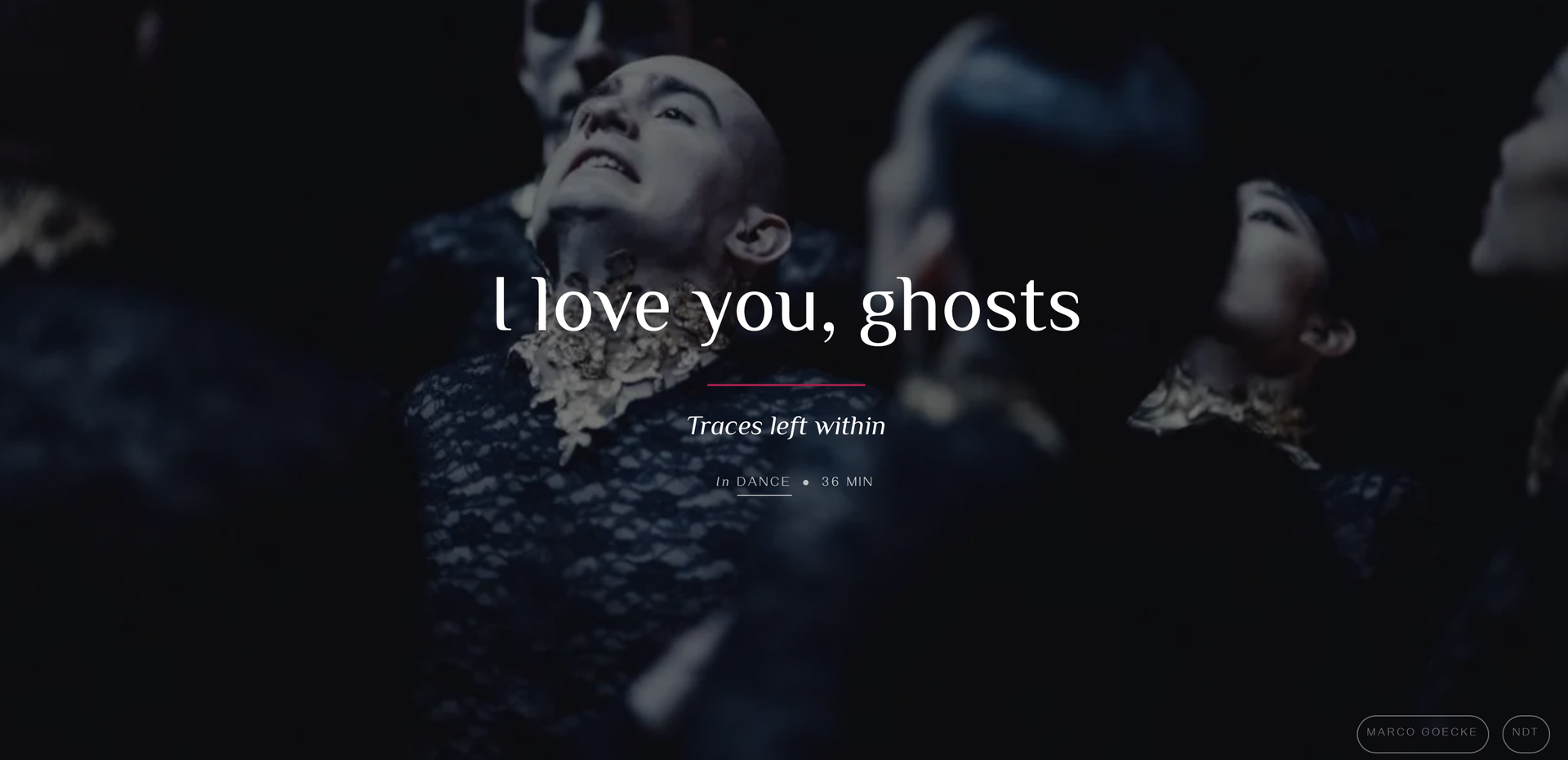
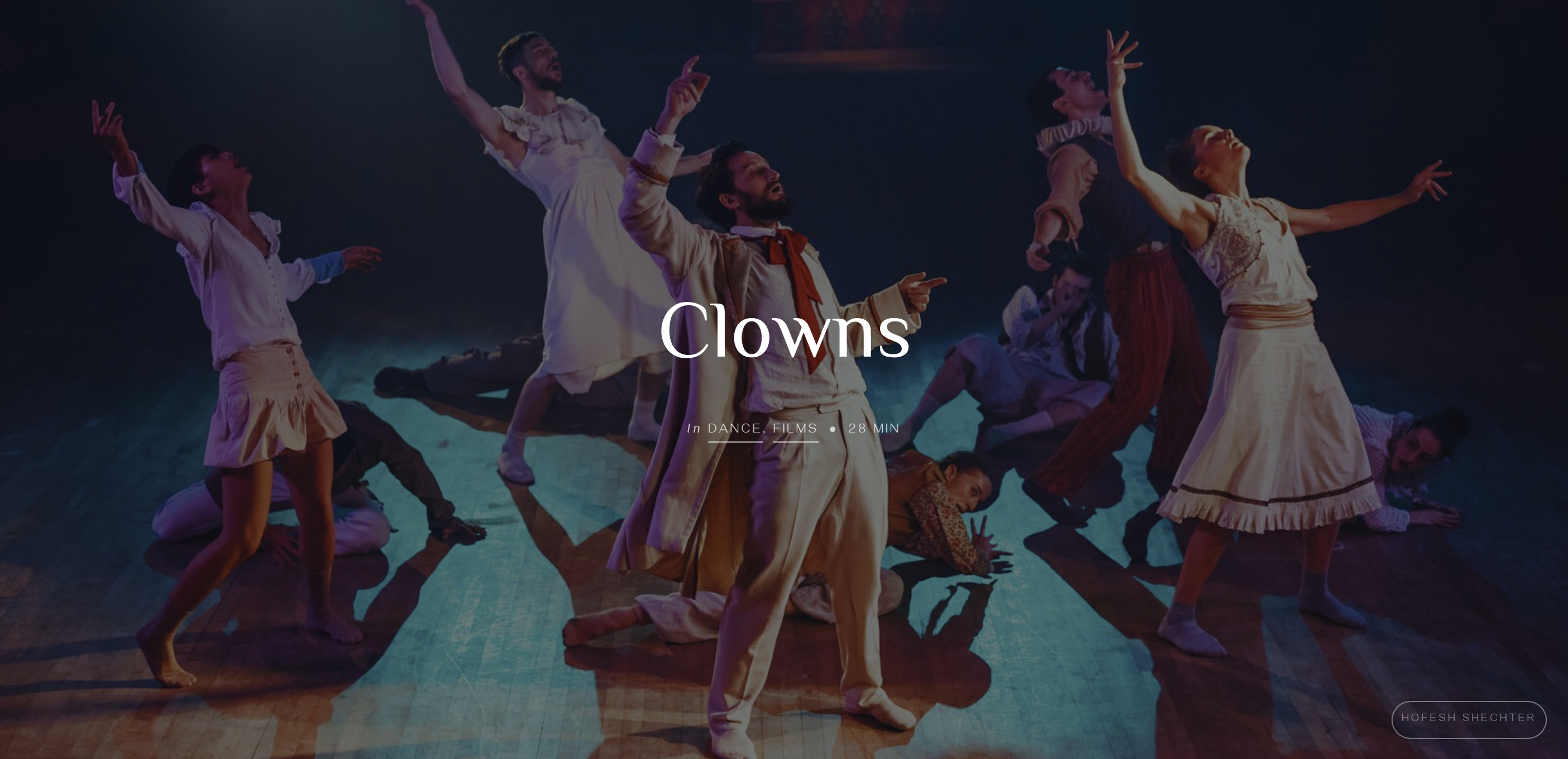
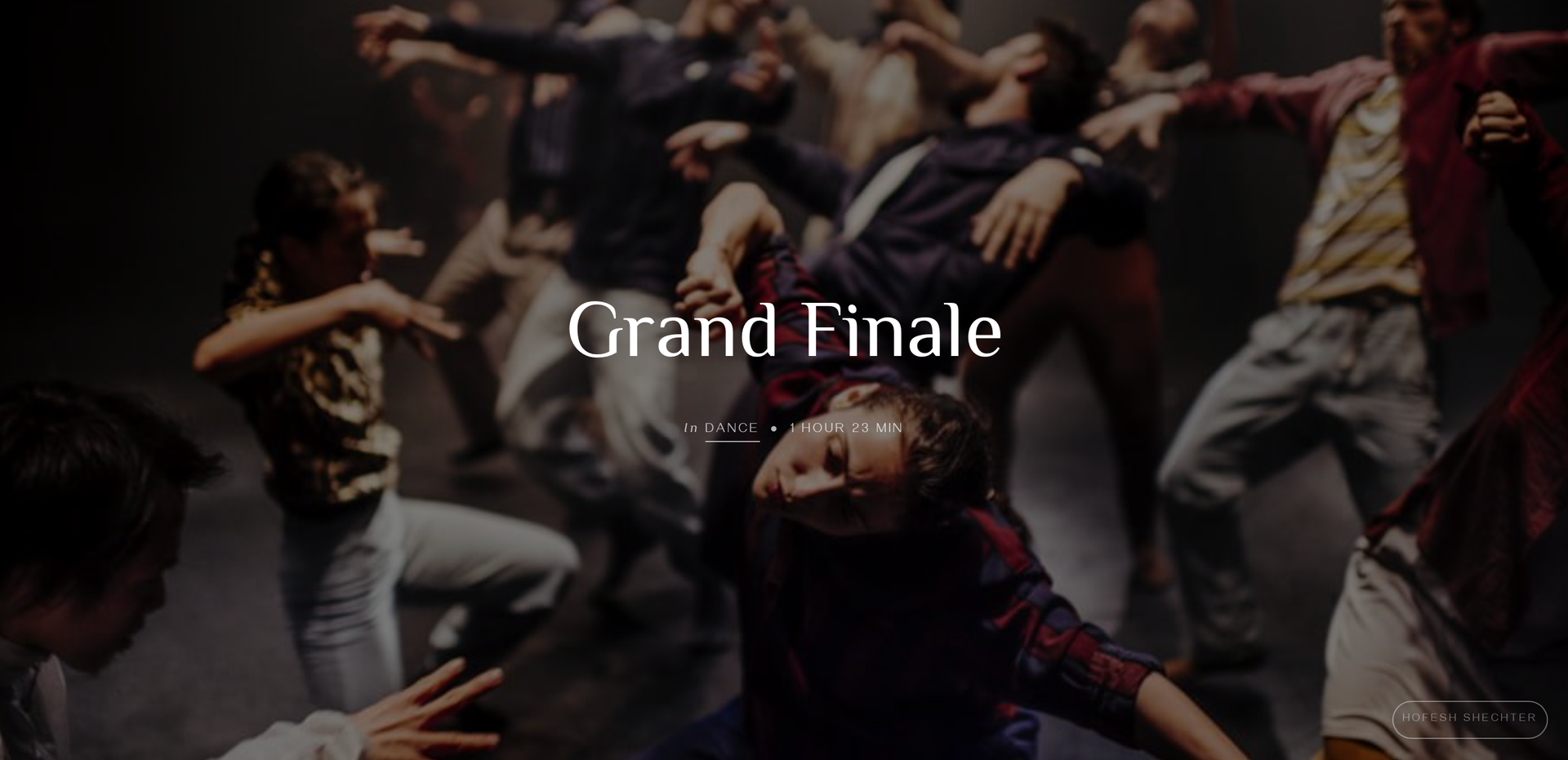
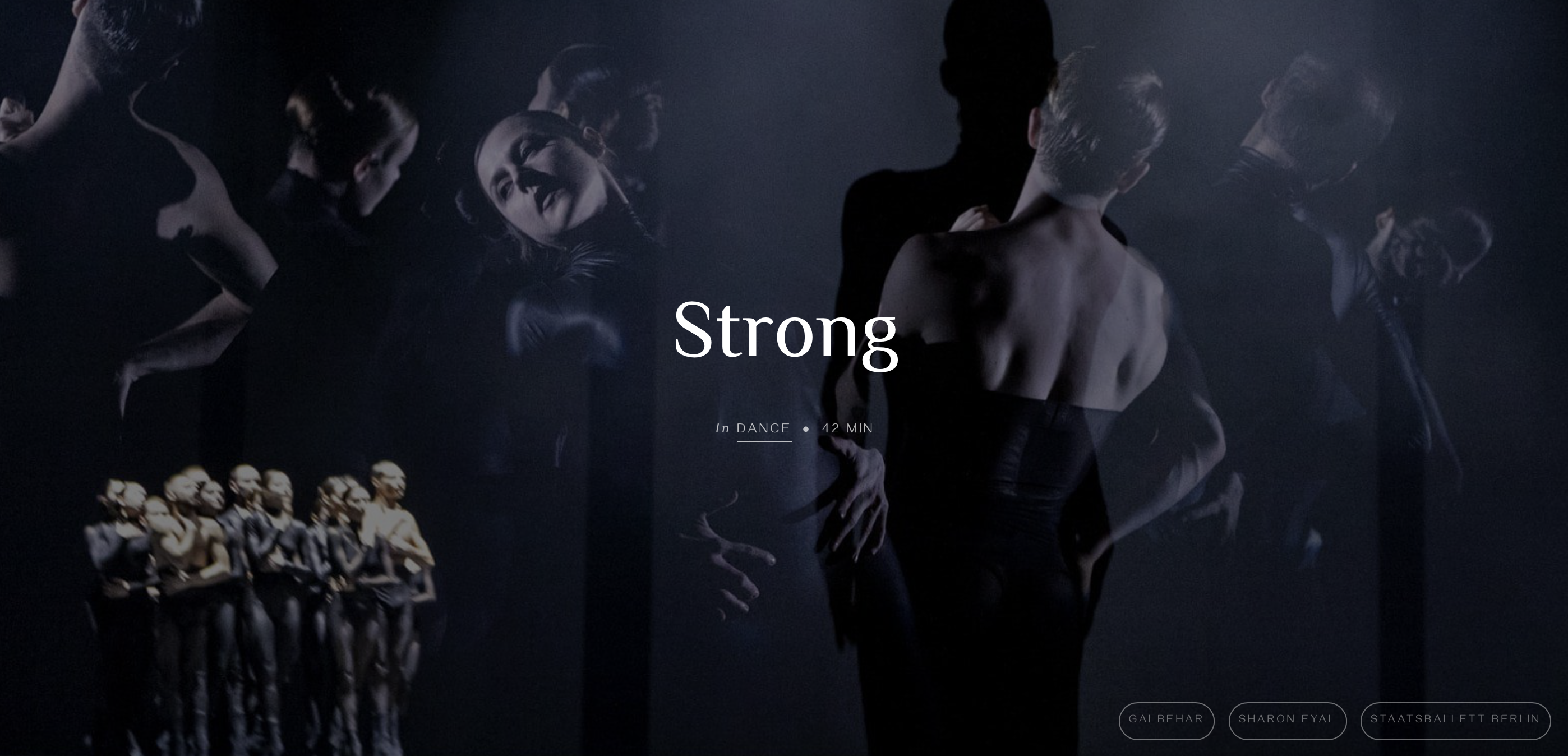
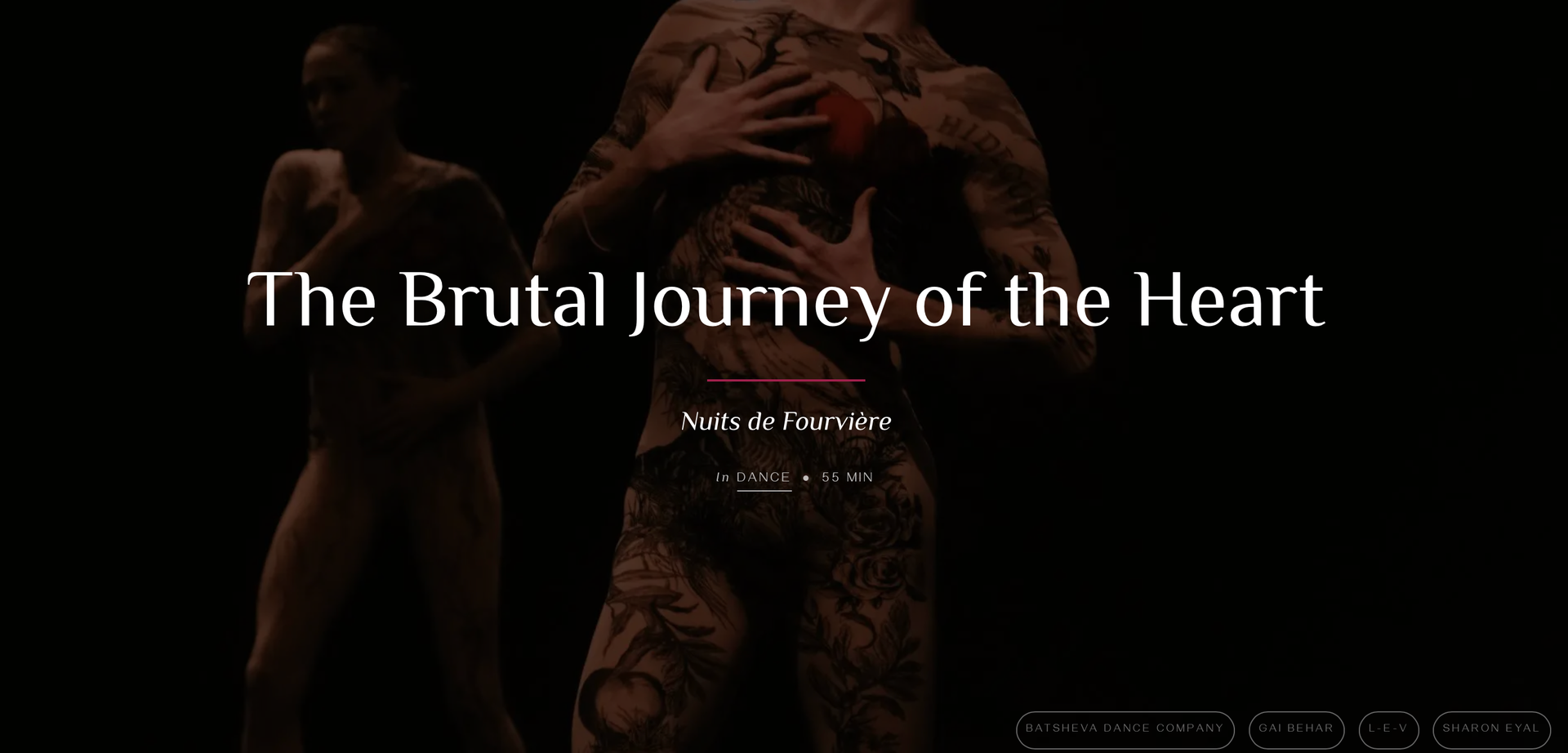
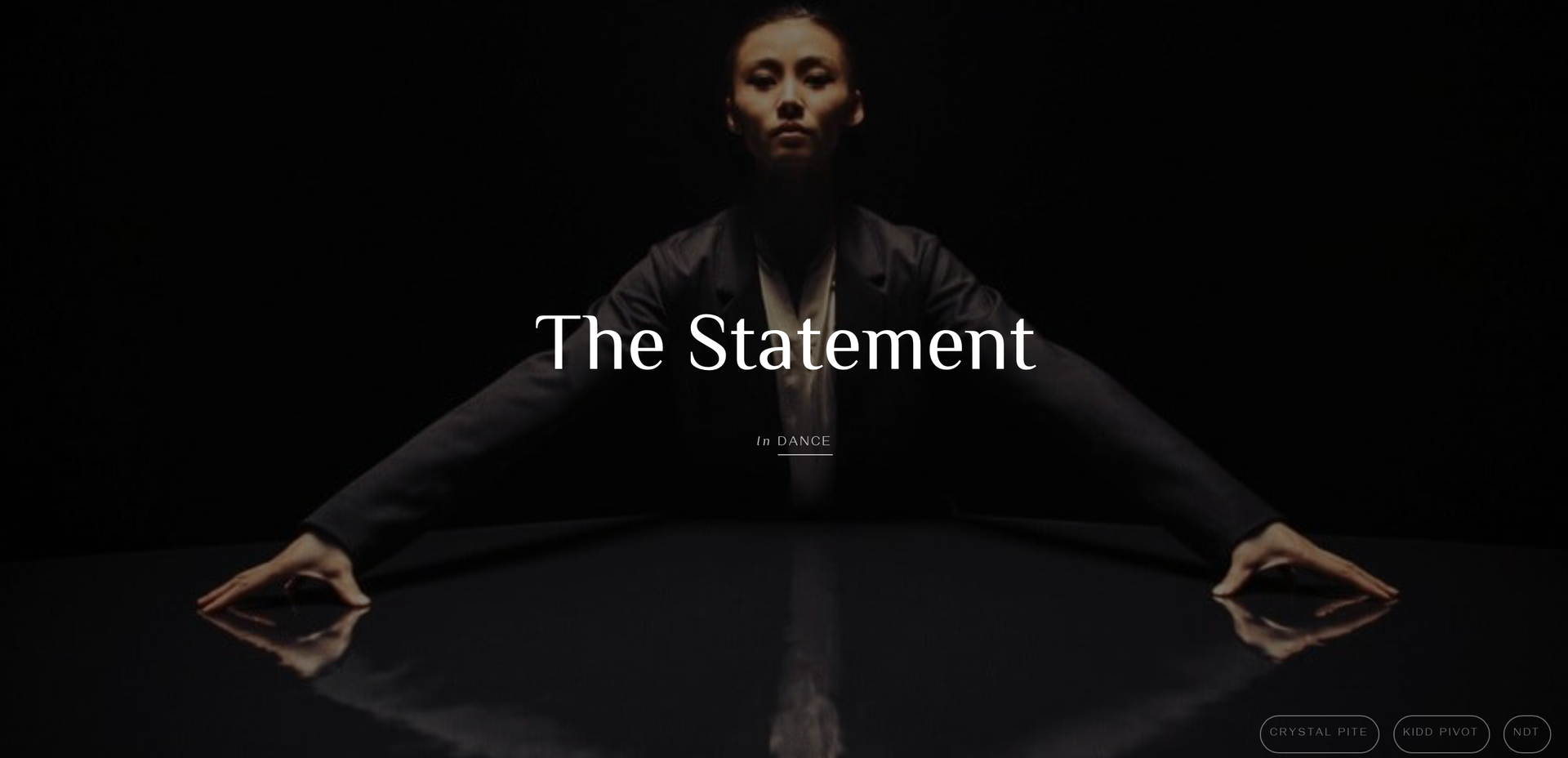
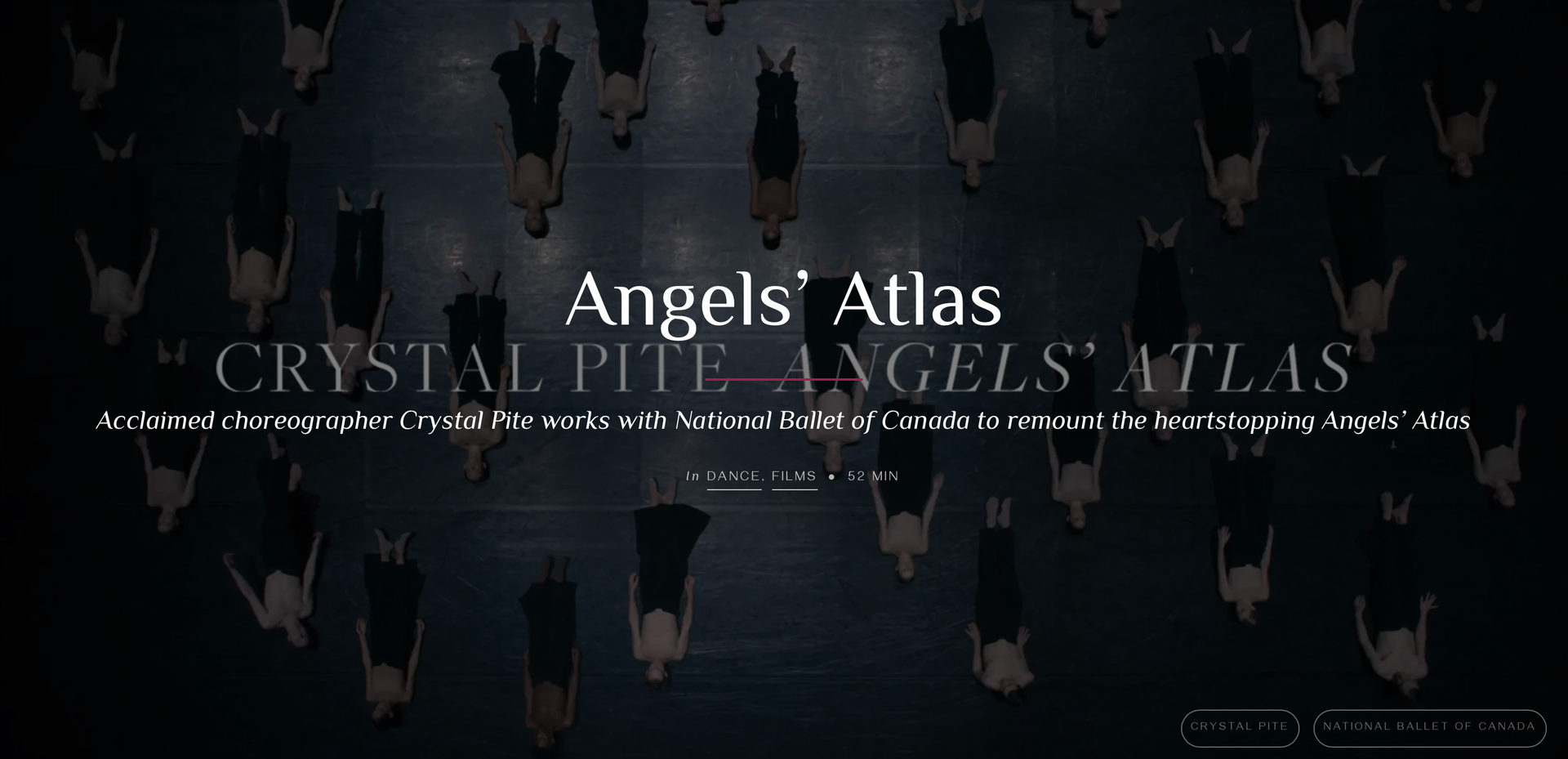
videotanz.ruIt is Marco Goecke's eleventh creation for Nederlands Dans Theater, but the first in the recently opened Amare. There is a new smell in the huge building, heavy doors connect the countless rooms with the long corridors, and construction pits are still being filled in here and there. Impressed, you look into the light-flooded studios on the second floor and of course, at the same moment, you remember the old rehearsal rooms in the Lucent Danstheater, the familiar dark Studio 5 in the basement that had no windows, the many impressions that remain even after the demolition. What may have happened to the good house spirits? Have they also moved to the new building? Nine dancers go in search of them with Marco Goecke. “Try to remember”, sings Harry Belafonte. The dancers move to this song at a rapid pace, using Goecke's language of movement to track down not only the dark and unknown, but also many memories: familiar gestures that are evoked from earlier spaces and earlier pieces, like protective ghosts.Those who know Marco Goecke's works know that they always have to do with himself and with the time in which they were created. Perhaps The Big Crying is Goecke's most personal piece, begun in Autumn 2020, shortly after the death of his father. It is a piece about parting and about everything we have to burn, says the choreographer, speaking of bodies that are like broken engines and of costumes that resemble the curtains of a hearse. It is not surprising that his choice of music includes a Death Lullaby; Blood Roses by the American singer Tori Amos whose music – sometimes confusing and not always comprehensible poetry is very close to Goecke's dance – hits the mark.Central to Goecke's new work is the conception of dance as art, which also makes a ‘voice' audible behind the movement, and the desire to reinforce that voice of the piece through further voices. Alongside the musical voices of the orchestral works by Czech composer Pavel Haas and the Finn composer Pehr Hendrik Nordgren, Goecke once again made the exceptional voice of Antony and the Johnsons part of his art and declares: “I think it is dramatic and big, but at the same time also contemplative and intimate, in her voice lies a torment that points inwards. For me, the dance says absolutely nothing if it doesn't constantly refer to the inside.” Besides the voice of the movement, Goecke also repeatedly gives his dancers their acoustic voice to make them appear less abstract and human: screeching, roaring, cursing, which seems obsessive, sometimes whispered words that repeat themselves yet for Goecke entail life entirely: “All life and love is a Thank you, hello and goodbye“, expatiates Goecke, as he takes a walk with his demon. – Nadja KadelClowns was commissioned by the BBC as part of the Performance Live strand – a partnership between BBC Arts, Arts Council England and Battersea Arts Centre, showcasing some of the most exciting artists working in performance today. The film was produced by Hofesh Shechter Company and Illuminations. Shot on location at the iconic Rivoli Ballroom in South London, Clowns is a 30 minute film unlike anything audiences will have seen before. Directed, choreographed and composed by Hofesh Shechter, Clowns features 10 of his world class dancers playing out a macabre comedy of murder and desire, and asks: how far will we go in the name of entertainment? The piece combines Hofesh's bold, exhilarating and tribal choreography with a percussive, cinematic score and the camera gets up close to the exceptionally talented ensemble of dancers. Coming from 8 different countries, they are Chien-Ming Chang, Frédéric Despierre, Rachel Fallon, Mickaël Frappat, Yeji Kim, Kim Kohlmann, Erion Kruja, Merel Lammers, Attila Ronai, and Diogo Sousa.Part gig, part dance, part theatre and wholly original – there is no better way to describe Grand Finale, the latest work of internationally celebrated choreographer Hofesh Shechter. Spectacularly bold and ambitious, Grand Finale is at once comic, bleak and beautiful, evoking a world at odds with itself, full of anarchic energy and violent comedy. Filtering this irrepressible spirit, Shechter creates a vision of a world in freefall, featuring an exceptional ensemble of dancers and a live band of musicians. In 2018 Grand Finale was nominated for an Olivier award for Best New Dance Production and for Outstanding Production in the Bessies. It was also named Production of the Year by tanz magazine. This year Grand Finale won a 2019 Dora Award for Outstanding Touring Performance and was nominated for Best Dance Production in the 2019 Helpmann Awards.I contain multitudes Felix Landerer The idea for the work developed around the phrase “tolerance for ambiguity”. It reflects on the increasing challenge of tolerating differences and contradictions in ourselves and others. The work explores what it means to be hemmed in with a multitude of perspectives, to occasionally search for consensus and to allow for it not to be found. FELIX LANDERER “With his captivating and original way of hewing out movement from the human body, Landerer remains a name to watch out for”, wrote Dance Europe on Felix Landerer in 2012. Ten years later, Landerer continues to be praised for his virtuosic and organic movement vocabulary. With a tone that reflects on the human condition, Landerer crafts poetic compositions that are rooted in resistance and resilience and are shaped by clarity and intention. About his creative process, the choreographer says: “It starts with a sense of creative freedom (…) and gets more cerebral once the brain starts searching for dramaturgical clarity and setting everything within a framework. What is beautiful is to observe how informed the material already is, simply because you made it under the influence of a given idea or subject.” Landerer has created works for several international dance companies. His company LANDERER&COMPANY received the Stadtkulturpreis Hannover for outstanding civic engagement in arts and culture in 2017. In season 2018-2019, the choreographer created The whys and wherefores are elusive for NDT 2. This new work will mark Landerer's debut creation for NDT 1. Jakie Sharon Eyal & Gai Behar Jakie is a twin… she breathes in the dark… alone… he loves her… her wounds are glowing… licking her …. asleep 💔 SHARON EYAL For the past decade, Sharon Eyal & Gai Behar have formed an essential voice to NDT's repertoire. Through work marked by a forceful sensuality and vulnerability, the duo has been fascinating audiences with a world of their own making, one that defies preconceived notions of movement and the expression of the body. “To me, dance is tribal and primitive, it's about joy”, says Eyal. “When I have an idea, it feels like it has always been there, and yet as if it has never been there. Each work is a continuation of the previous one and offers a unique opportunity to go deeper and deeper.” Eyal & Behar have been running their company L-E-V since 2013, and created several world premieres for NDT, such as Salt Womb (2016) that was awarded a Zwaan for ‘Best Dance Production' in 2016. After seven years, NDT is excited to again collaborate with Eyal & Behar and bring back their fresh perspective on dance to our audience.Sharon Eyal's choreographies can also be described as vibrant experiments on the border between precision and supposed excess. Her works strike a nerve with audiences and dancers. The uncompromising Israeli choreographer has long since found a very personal, unmistakable artistic signature. Not only was she recently commissioned by Dior to contribute to one of the recent fashion shows, but is increasingly conquering European dance stages. In her first new creation in Berlin, she explored the emotional authenticity with the dancers of the Staatsballett Berlin necessary for the interpretation of her pieces.Since launching her choreographic career with Batsheva Dance Company, Sharon Eyal has become one of the most sought-after creators on the international circuit. In 2013, she founded L-E-V with Gai Behar, a multidisciplinary artist and well-known figure on the Tel-Aviv nightlife scene. In Chapter 3: The Brutal Journey of the Heart, a breathtaking work propelled by Ori Lichtik's live soundscape, nine dancers embark on an intoxicating journey through the extreme states of the heart. A pulsating dance, rich with explosive body swirls, voguing movements, and ballet references. Evoking exquisitely detailed body tattoos, the costumes designed by Dior's Maria Grazia Chiuri heighten the sensuality of the dance, which sustains its feverish energy right up to the climax. Chapter 3 continues the theme of love following the company's previous two productions – OCD Love and Love Chapter 2. Both performances captured audiences around the world presenting the depth, beauty, drama and impossible of the greatest of all feelings – love. …things get broken, and sometimes they get repaired, and in most cases, you realize that no matter what gets damaged, life rearranges itself to compensate for your loss, sometimes wonderfully. Moment. Silence. Dryness. Emptiness. Fear. Wholeness. Concealment. Longing. Black. Moon. Water. Corner. Smell. Demon. Gap. Coldness. Eyes. Intension. Impulse. Fold. Hideout. Color. Lis. Salt. huge. Side. Stitches. Love. Point.After the sensational success of A Swan Lake, performed by the Norwegian National Ballet in 2014 at the Oslo Opera, the choreographical prodige Alexander Ekman created his Midsummer Night's dream in April 2015 for the Royal Swedish Ballet at the Stockholm Opera. A powerful contemporary piece that explores the energy and the mysteries conjured up by the summer solstice in the scandinavian tradition! It is the height of summer, the longest day of the year, and everyone gets together to celebrate the most loved of all traditions – Midsummer. Expectations are high, seven kinds of flower must be picked, schnapps must be drunk, and everyone dances giddily around the maypole – perhaps there will even be new love in the air? It is a night filled of love and eroticism as nature gushes with vitality. The border between the world of mortals and the kingdom of the supernatural becomes thinner and thinner as the bottle becomes emptier and emptier. Traditions play jokes on us, the world changes and suddenly we are no longer sure – is it all a dream?… a midsummer night's dream. A vast and ambitious project, Midsummer Night's dream is danced by the Royal Swedish Ballet and set to a music by Mikael Karlsson. Swedish star pop singer Anna von Hausswolff sings through this great production, evidently one of a kind.In light of current events, the topicality of The Statement is probably what is most striking about Crystal Pite's new work, as the expression of the characters and their use of language are very much linked to our time. The piece could be considered a play, based on a script written by Jonathan Young that is expressed by four dancers that share a heated conversation around a conference table, symbolizing a corporate environment. Control, moral conflicts, responsibility and the inability to escape make The Statement a gripping piece that offers the audience a captivating wedge of realism. Choreographer and performer Crystal Pite (Vancouver, Canada) is associate choreographer with NDT since 2008. Pite created Pilot X (2005), The Second Person (2007), Frontier (2008), Plot Point (2010), Solo Echo (2012), Parade (2013) and In the Event (2014) for NDT. Her work The Statement premiered on February 4 2016. Pite is also an associate dance artist at Canada's National Arts Centre and at Sadler's Wells, London. In 2002 she founded her own company in Vancouver: Kidd Pivot. Pite's ballets are performed by dance companies worldwide.Visually arresting and breathtakingly intimate, Crystal Pite: Angels' Atlas combines elements of cinema verite with high-octane dance sequences to reveal the singular vision of world-renowned choreographer Crystal Pite. Culminating in a cinematically immersive live performance of her acclaimed ballet Angels' Atlas, the film follows Pite and a group of dancers at the National Ballet of Canada, as they remount the ambitious ballet after a two-year shutdown due to COVID-19. A testament to the potency of live performance amid collective upheaval, Crystal Pite: Angels' Atlas grants audiences unprecedented access into the creative process of one of the most intriguing choreographers working today, through candid interviews and intimate rehearsal footage. Directed by Chelsea McMullan, the film builds toward a raw and emotional opening night, which marks the National Ballet's first production back from lockdown. Set against a shifting backdrop of reflective light, Angels' Atlas explores themes of grief, loss, and the delicate nature of connection, themes made only more resonant under the shadow of an ongoing pandemic. Intercut with spectacular visuals as the performance unfolds, Crystal Pite: Angels' Atlas unveils the creative process of a world-renowned artist while paying homage to the ephemeral beauty of human bodies, together in motion. The impetus for Angels' Atlas came from Crystal Pite's partner and set designer Jay Gower Taylor who worked with lighting designer Tom Visser to develop an analog method of manipulating reflective light to create complex, painterly images. A quote from writer and critic Max Wyman about dance greatly inspired Pite: “No other artform speaks so directly about the fragile, temporary quality of life, or about the human instinct to transcend those bonds and aim for that perfect moment of self-realization.” Pite wanted Angels' Atlas to evoke “a fierce pulse of life.” She achieves this in part through the score, which includes electronic music by her longtime collaborator Owen Belton featuring samples of clicking sounds, voices, bells and a heartbeat. Two ethereal choral works bookend Belton's score: Tchaikovsky's liturgical Hymn of the Cherubim and Morten Lauridsen's contemporary work, O Magnum Mysterium. Pite chose vocal works in part because they are tied so irrevocably to the body. Angels' Atlas won two Dora Mavor Moore Awards in 2020: Crystal Pite for Outstanding New Choreography and Jay Gower Taylor for Outstanding Achievement in Design.