Amazing Wonders of the World - видео - все видео
Новые видео из канала RuTube на сегодня - 20 April 2026 г.
Новые видео из канала RuTube на сегодня - 20 April 2026 г.
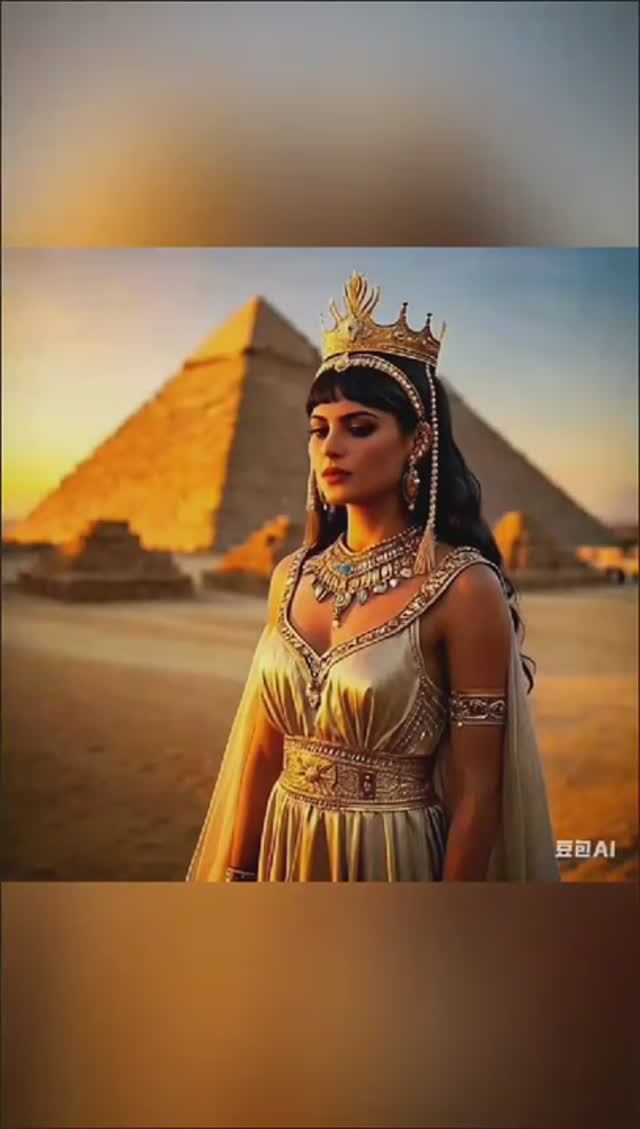
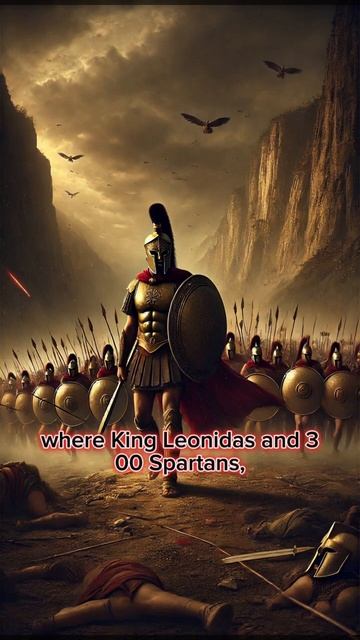
Amazing Wonders of the World The Parting of the Red Sea is one of the most astonishing miracles in religious history. According to the Bible (Exodus 14) and the Quran (Surah Ash-Shu'ara 26:63), this event occurred when Moses led the Israelites out of Egypt, fleeing from Pharaoh’s army. The Miracle As the Israelites reached the Red Sea, they found themselves trapped—water in front of them and Pharaoh’s army behind them. In their desperation, Moses prayed to God, who commanded him to strike the sea with his staff. Miraculously, the sea split into two massive walls of water, creating a dry path for the Israelites to cross safely. Pharaoh’s Pursuit and His Army’s Destruction Once the Israelites reached the other side, Pharaoh and his army followed them into the parted sea. But as soon as the last Israelite had crossed, the sea returned to its normal state, drowning Pharaoh and his soldiers. Significance of the Miracle Freedom from Slavery: This event marked the liberation of the Israelites from centuries of oppression. Divine Power and Protection: It demonstrated God’s power and His ability to save His people from even the most impossible situations. Faith and Trust in God: The Israelites witnessed firsthand that trusting in God leads to salvation. This miracle has inspired countless generations, symbolizing faith, deliverance, and the victory of righteousness over tyranny. What aspect of this miracle fascinates you the most? #ancientworld , #moses , #miracle , #redseaThe amazing wonders of ancient women span various fields, from leadership and warfare to science, literature, and social reform. Women in ancient civilizations played crucial roles that were often overlooked in traditional narratives. Here are some remarkable examples: 1. Warrior Queens and Leaders Cleopatra VII (69–30 BCE, Egypt): A brilliant diplomat and strategist, she ruled Egypt and engaged in alliances with Rome. Tomyris (6th century BCE, Central Asia): The queen of the Massagetae, she led her people to victory against the Persian king Cyrus the Great. Fu Hao (c. 1200 BCE, China): A military general and high priestess of the Shang Dynasty, leading troops into battle. 2. Scientists and Scholars Hypatia of Alexandria (c. 350–415 CE, Egypt): A philosopher, mathematician, and astronomer, she taught and wrote about complex scientific theories. Enheduanna (c. 2285–2250 BCE, Mesopotamia): The first known poet in history, she was a high priestess and composed hymns still studied today. 3. Medical Pioneers Metrodora (c. 200 CE, Greece): An ancient Greek physician who wrote one of the earliest known medical texts by a woman, focusing on gynecology. Agnodice (c. 4th century BCE, Greece): A pioneering female doctor who disguised herself as a man to practice medicine in Athens. 4. Builders and Architects Hatshepsut (c. 1507–1458 BCE, Egypt): A powerful pharaoh who commissioned architectural wonders like the temple at Deir el-Bahari. Shanakdakhete (c. 170 BCE, Nubia): A warrior queen who left inscriptions and built monuments in the Kingdom of Kush. 5. Cultural Influencers and Artists Sappho (c. 630–570 BCE, Greece): One of the most famous poets of antiquity, known for her lyrical poetry about love and emotion. Ban Zhao (c. 45–116 CE, China): A historian and writer who compiled and expanded "The Book of Han," a major historical text. These women defied societal norms and made lasting contributions to history, proving that the wonders of the ancient world were not just built by men but also by the brilliant minds and hands of women. #ancientworld, #women, #powerfulwarrior, #amazing, #wonders, #worldAncient Persia, known today as Iran, was home to one of history's greatest civilizations. The Persian Empire, founded by Cyrus the Great in 550 BCE, flourished under rulers like Darius I and Xerxes, leaving behind remarkable architectural, artistic, and scientific achievements. Here are some of the most fascinating wonders of ancient Persia: 1. Persepolis – The Glorious Capital Persepolis, the ceremonial capital of the Achaemenid Empire, was a breathtaking city of grand palaces and intricate reliefs. Built by Darius I and expanded by his successors, its towering columns and detailed carvings showcased the empire’s power. The ruins still inspire awe, hinting at its former grandeur before being burned by Alexander the Great in 330 BCE. 2. The Tomb of Cyrus the Great Cyrus the Great, the founder of the Persian Empire, was buried in a simple yet elegant tomb in Pasargadae. This monument, constructed from massive limestone blocks, reflects his respect for simplicity and justice. The tomb still stands as a testament to the legacy of one of history’s most visionary rulers. 3. The Qanat System – Ancient Persian Engineering The Persians were pioneers in water management, developing the qanat system—underground tunnels that transported water from mountains to arid regions. This innovative irrigation method allowed agriculture and civilization to thrive in the harsh desert environment, a technique still used today in parts of Iran. 4. The Immortals – Elite Persian Warriors The Achaemenid army included an elite force called the Immortals, a 10,000-strong unit of highly trained soldiers. Their numbers were never seen to decrease—any fallen soldier was immediately replaced, giving the illusion of invincibility. They played a key role in Persia’s military dominance and are immortalized in historical accounts. 5. The Royal Road – A Highway of the Ancient World To connect the vast empire, the Persians built the Royal Road, a 2,700-kilometer-long highway stretching from Sardis to Susa. This road enabled efficient communication and trade, with relay stations and couriers ensuring messages could travel swiftly across the empire—a system that inspired modern postal services. 6. Ziggurat of Chogha Zanbil – A Sacred Step Pyramid Built by the Elamite civilization, which predated the Persian Empire, the Chogha Zanbil ziggurat is one of the best-preserved step pyramids in the world. Located in present-day Iran, this structure was dedicated to the god Inshushinak and remains an architectural marvel of the ancient world. 7. Persian Gardens – Paradise on Earth The concept of the Persian garden (or paradise garden) influenced landscape design across cultures. These lush, symmetrical gardens featured flowing water, shade, and beautifully arranged flora, symbolizing harmony and peace. Their design principles were later adapted into Islamic and European gardens. 8. The Fire Temples of Zoroastrianism Zoroastrianism, the dominant religion of ancient Persia, centered around fire temples where sacred flames burned continuously. These temples, such as the Atash Behram, were spiritual centers, emphasizing purity and the struggle between good and evil—a philosophy that influenced later religions. Legacy of Ancient Persia The wonders of ancient Persia continue to captivate historians, archaeologists, and travelers. From architectural marvels to groundbreaking innovations, Persia’s contributions shaped world history and culture. Today, its legacy endures in art, engineering, and philosophy, reminding us of an empire that once ruled the known world. #ancient , #persia , #wonders , #ancientcivilization , #history, #historicalThe ancient world had a rich musical tradition, with each civilization developing its own unique styles, instruments, and cultural significance for music. Here are some amazing music and songs from ancient civilizations: ### **1. Ancient Mesopotamian Music** - One of the earliest civilizations to develop music notation, using cuneiform on clay tablets. - The **Hurrian Hymn No. 6** (circa 1400 BCE) is the oldest surviving melody, discovered in Ugarit (modern Syria). This hymn was dedicated to the goddess Nikkal. - Instruments: Lyres, harps, flutes, drums. ### **2. Ancient Egyptian Music** - Often linked to religious ceremonies, festivals, and daily life. - Instruments: Sistrums (rattles), harps, lutes, and double-reed flutes. - Temple chants and songs of praise, such as hymns to Osiris and Ra, were common. ### **3. Ancient Greek Music** - Developed complex musical theories (e.g., Pythagoras' harmony of the spheres). - The **Epitaph of Seikilos** (circa 200 BCE - 100 CE) is one of the oldest surviving complete musical compositions. - Instruments: Lyre, kithara, aulos (double-piped reed instrument). ### **4. Ancient Roman Music** - Influenced by Greek and Etruscan traditions, used in gladiatorial games, theater, and military. - Used **tibiae** (double pipes), brass instruments like **cornu**, and large drums. ### **5. Ancient Indian Music** - Based on **Samaveda** (one of the Vedas), which laid the foundation for Indian classical music. - Chanting of Vedic hymns and mantras. - Instruments: Veena (ancestor of the sitar), mridangam (percussion), flute. ### **6. Ancient Chinese Music** - The **Guqin** (a seven-stringed zither) was a major instrument in Confucian and Daoist philosophy. - **"Jieshi Diao Youlan"** (Solitary Orchid) is one of the oldest known Chinese melodies. - Used pentatonic scales and developed detailed music theory. ### **7. Ancient Celtic and Norse Music** - Music was used for storytelling, bardic traditions, and religious rites. - Harps, lyres, flutes, and war horns (like the **lur** in Scandinavia). #ancientcivilization , #ancientworld , #music, #songs, #history , #historicalThroughout history, warriors have shaped civilizations with their skills, discipline, and awe-inspiring feats. From legendary weapons to ingenious battle strategies, ancient warriors were more than just fighters—they were symbols of strength, honor, and innovation. Here are some of the most amazing wonders of ancient warriors. 1. The Immortals of Persia The Achaemenid Empire’s elite force, the Immortals, were feared for their unyielding discipline and ability to maintain their numbers. Whenever a warrior fell, another would take his place, making them appear invincible. Their finely crafted armor, wicker shields, and deadly spears ensured battlefield dominance. 2. The Spartan Phalanx The Spartans were among the most disciplined warriors in history. Their signature formation, the phalanx, created an impenetrable wall of shields and spears. This strategic brilliance, combined with rigorous training from childhood, made the Spartans nearly unbeatable in close combat. 3. Samurai and the Art of Bushido Samurai warriors of Japan were guided by Bushido, the “Way of the Warrior,” which emphasized loyalty, honor, and self-discipline. Their legendary katana swords, forged with meticulous craftsmanship, could slice through multiple enemies in a single stroke. 4. The War Elephants of India and Carthage Ancient warriors sometimes rode war elephants into battle, using their massive size and strength to trample enemies. These armored giants carried archers and spearmen, striking fear into opposing forces, especially during the campaigns of Hannibal and Indian warlords. 5. The Roman Legion’s Tactical Mastery The Roman Legion was a well-oiled war machine, using strategic formations such as the testudo (tortoise formation) to shield against enemy projectiles. Their adaptability and engineering prowess helped them conquer vast territories and build an empire that lasted centuries. 6. The Viking Berserkers Vikings had fearsome berserkers—warriors who fought in a trance-like rage, immune to pain and fear. These warriors were believed to channel the spirits of wild animals, making them nearly unstoppable in battle. 7. The Mongol Horse Archers The Mongols, under Genghis Khan, mastered horseback archery, allowing them to shoot accurately while riding at full speed. Their lightning-fast raids and ability to cover vast distances gave them a tactical edge, leading to one of the largest empires in history. Ancient warriors weren’t just fighters; they were tacticians, engineers, and symbols of their cultures’ strength. Their strategies, weapons, and unwavering courage continue to inspire us today. #egyptianwonders , #ancientcivilization , #ancientworld , #ancient , #ancientgreek , #warriors , #warThroughout history, women have played crucial roles in shaping civilizations, leading nations, and inspiring legends. From warrior queens to brilliant scholars, these remarkable women defied expectations and left an enduring legacy. Here are some of the most extraordinary women of the ancient world. Cleopatra VII – The Last Pharaoh of Egypt One of the most famous women in history, Cleopatra VII ruled Egypt with intelligence, political savvy, and charm. Fluent in multiple languages and skilled in diplomacy, she formed alliances with powerful Roman leaders like Julius Caesar and Mark Antony. Her beauty was legendary, but it was her intellect and ambition that made her truly extraordinary. Nefertiti – The Enigmatic Queen of Egypt Renowned for her beauty, Queen Nefertiti ruled alongside Pharaoh Akhenaten during Egypt’s 18th dynasty. She played a significant role in religious reforms that promoted the worship of the sun god, Aten. Her stunning bust, discovered in 1912, remains one of the most iconic images of ancient Egyptian art. Boudicca – The Fierce Warrior Queen of the Iceni Boudicca, the fearless queen of the Iceni tribe in Britain, led a massive uprising against the Roman Empire in 60–61 AD. After her people were mistreated by the Romans, she gathered an army and fought fiercely for freedom. Though her rebellion was ultimately crushed, her bravery and defiance remain legendary. Sappho – The Poetess of Love and Beauty Sappho of Lesbos was one of the greatest poets of ancient Greece. Celebrated for her lyric poetry, she wrote about love, passion, and the human experience with unmatched elegance. Though much of her work is lost, her influence on literature and art continues to this day. Empress Wu Zetian – China’s Only Female Emperor Wu Zetian rose from being a concubine to becoming China’s only female emperor during the Tang Dynasty. She was a visionary leader who expanded the empire, reformed government systems, and promoted education. Despite the controversies surrounding her rule, she remains one of China’s most influential figures. Hypatia of Alexandria – The Brilliant Scholar A philosopher, mathematician, and astronomer, Hypatia was one of the leading intellectuals of ancient Alexandria. She taught science and philosophy in a male-dominated world and contributed significantly to mathematics and astronomy. Tragically, she was murdered by a political mob, but her legacy as a pioneering scholar lives on. Conclusion: Legends That Live On These amazing women of the ancient world were more than just figures of beauty; they were warriors, rulers, poets, and scholars who shaped history. Their stories continue to inspire and remind us that strength, wisdom, and courage are timeless qualities. #ancientcivilization , #ancientworld , #ancient , #travel , #beauties , #history , #historicalThe Maya civilization, one of the most advanced and mysterious cultures of the ancient world, flourished in Mesoamerica for thousands of years. Known for their remarkable achievements in architecture, astronomy, mathematics, and writing, the Maya left behind towering pyramids, intricate hieroglyphs, and a calendar system that continues to fascinate scholars today. Despite their greatness, the civilization mysteriously declined, leaving behind ruins that whisper stories of a lost world. The Rise of the Maya Civilization The Maya civilization emerged around 2000 BCE and thrived in present-day Mexico, Guatemala, Belize, Honduras, and El Salvador. They built grand city-states such as Tikal, Palenque, and Chichén Itzá, each ruled by powerful kings and governed by a complex social hierarchy. Unlike a unified empire, the Maya civilization consisted of independent city-states that often engaged in warfare, trade, and alliances. Incredible Achievements of the Maya Astronomy and the Maya Calendar The Maya were expert astronomers who meticulously observed the stars and planets. They developed an intricate calendar system based on celestial movements, with astonishing accuracy. Their Long Count Calendar famously predicted a new cycle in 2012, which led to widespread doomsday theories—though, in reality, it simply marked the end of one era and the beginning of another. Monumental Architecture The Maya built awe-inspiring pyramids, temples, and palaces, many of which still stand today. Structures like El Castillo in Chichén Itzá and the towering temple pyramids of Tikal reveal their architectural mastery. These buildings were often aligned with astronomical events, demonstrating their deep understanding of the cosmos. Hieroglyphic Writing System Unlike many other lost civilizations, the Maya had a fully developed writing system, using hieroglyphs to record history, rituals, and mythology. Many of their inscriptions, carved into stone or written in codices, provide valuable insights into their society, rulers, and religious beliefs. Advanced Mathematics and the Concept of Zero Long before European mathematicians, the Maya developed the concept of zero—a groundbreaking achievement that allowed them to perform complex calculations. Their vigesimal (base-20) numerical system played a crucial role in their astronomy and calendar calculations. The Mysterious Decline Around the 9th century CE, many great Maya cities were abandoned, and the civilization experienced a sudden decline. Historians and archaeologists debate the reasons behind this collapse, with theories ranging from prolonged droughts and overpopulation to warfare and political instability. While their great cities fell, the Maya people never truly disappeared—descendants of the ancient Maya still live in Mesoamerica today, preserving elements of their rich culture. Legacy of the Maya Though their civilization may have faded, the Maya left behind a legacy that continues to intrigue and inspire. Their monumental ruins, scientific achievements, and contributions to art and literature ensure that their story lives on. #maya , #lost, #civilization, #amazing, #wonders, #Ancient, #WorldThroughout history, Europe has faced many hardships, but few periods were as devastating as the times of war, plague, and economic collapse that brought entire societies to their knees. These "Black Days" reshaped the continent, leaving scars that lasted for generations. Among these dark periods, the Black Death, the Hundred Years' War, and the fall of great empires stand out as some of the most catastrophic moments in European history. The Black Death: A Plague That Shook the World (1347–1351) The Black Death, also known as the bubonic plague, swept through Europe between 1347 and 1351, killing an estimated 25 to 50 million people—nearly half the continent’s population. Originating from Asia and spreading via trade routes, the disease caused fever, painful swellings (buboes), and rapid death. Entire towns were wiped out, economies crumbled, and fear led to extreme religious movements, persecution of minorities, and a complete societal breakdown. Effects of the Black Death: Depopulation: Some regions lost up to 70% of their population. Economic Collapse: With fewer workers, agriculture and trade suffered, leading to famine and financial crisis. Social Upheaval: Serfs gained more bargaining power due to labor shortages, contributing to the decline of feudalism. Religious Turmoil: Many believed the plague was divine punishment, leading to mass hysteria, self-flagellation movements, and persecution of Jewish communities. The Hundred Years’ War (1337–1453): A Century of Bloodshed While the plague ravaged Europe, England and France were locked in a brutal conflict known as the Hundred Years’ War. This war, fought over control of the French throne, saw legendary figures like Joan of Arc, who led the French to victories before being captured and executed by the English. The war devastated France, drained England’s economy, and ushered in a new era of military tactics, including the rise of longbowmen and gunpowder weapons. The Fall of Constantinople (1453): The End of an Empire In 1453, the Byzantine Empire, once the eastern half of the Roman Empire, met its end when the Ottoman Turks led by Sultan Mehmed II conquered Constantinople (modern-day Istanbul). The fall of the city marked the end of the Middle Ages and the beginning of the Ottoman Empire’s rise as a dominant power. It also triggered the migration of Greek scholars to Western Europe, helping to spark the Renaissance. The Spanish Inquisition (1478–1834): A Reign of Fear Established by King Ferdinand and Queen Isabella, the Spanish Inquisition sought to root out heresy and enforce Catholic orthodoxy. It led to brutal persecution, torture, and the expulsion of Jews and Muslims from Spain. The Inquisition became infamous for its use of secret trials, forced confessions, and executions, casting a long shadow over Spain’s history. The Dark Legacy of Europe's Black Days These devastating events reshaped Europe, leading to the collapse of medieval society and paving the way for the Renaissance, the Reformation, and the rise of modern nation-states. The lessons learned from these dark days remind us of humanity’s resilience and the power of transformation in the face of suffering. #ancientcivilization , #europe, #blackdays, #history, #historical, #world, #ancient, #blackOsman I: The Founder of an Empire Osman I (1258–1326) was the visionary leader who laid the foundation of the Ottoman Empire, which would go on to become one of the most powerful empires in history. From a small Anatolian principality, Osman and his warriors expanded their territory, setting the stage for an empire that would last over 600 years and shape the course of world history. The Rise of Osman I Born in 1258, Osman belonged to the Kayı tribe of the Oghuz Turks, a group that had migrated to Anatolia (modern-day Turkey) following the Mongol invasions. His father, Ertuğrul, led the tribe under the protection of the Seljuk Sultanate of Rum, but as the Seljuks weakened, Osman seized the opportunity to establish his own independent rule. Osman’s Early Conquests Osman’s leadership was marked by his military skills, diplomatic tactics, and ability to unite Turkic tribes and warriors under his banner. He expanded his territory by defeating local Byzantine forces and capturing key towns in northwestern Anatolia, including Yenişehir, which became his first major stronghold. The Birth of the Ottoman Empire The Ottoman Empire (Osmanlı Devleti) was named after Osman, and by 1299, he had declared his independence from the crumbling Seljuk state. This year is traditionally marked as the founding of the Ottoman Empire. The Dream of Osman One of the most famous legends about Osman I is the "Dream of Osman." According to Ottoman chronicles, Osman had a vision in which a great tree grew from his chest, spreading its branches over the world, symbolizing the vast empire his descendants would rule. This dream became a symbol of Ottoman destiny and legitimacy. Osman’s Legacy and the Rise of the Ottomans By the time of his death in 1326, Osman had expanded Ottoman rule significantly and laid the foundations for an empire that his son, Orhan, would continue to grow. Osman’s descendants went on to conquer Constantinople in 1453, rule over three continents, and establish a vast empire that lasted until 1922. Key Contributions of Osman I: ✔ Established an independent Turkish state in Anatolia. ✔ United various Turkic groups and warriors under Ottoman rule. ✔ Began the military expansion that led to Ottoman dominance. ✔ Created a strong foundation for future sultans to build upon. Final Thoughts Though Osman I started with a small principality, his vision, leadership, and military prowess paved the way for one of history’s greatest empires. His legacy lived on through generations of Ottoman rulers, who transformed his dream into a global empire that shaped the political, cultural, and economic landscape of the world. #ottoman, #ottomanempire , #ottomansultans , #history, #historicalLong before towering cities and grand empires, humanity thrived in small villages where life was deeply connected to nature, community, and tradition. These ancient settlements laid the foundation for civilization, showcasing remarkable innovations in farming, architecture, and social organization. Let’s explore the wonders of ancient village life and how these early communities shaped the world we know today. 1. Self-Sustaining Agriculture Ancient villages were built around fertile lands where early humans mastered agriculture. Instead of relying solely on hunting and gathering, they cultivated crops like wheat, barley, rice, and maize, depending on the region. Some amazing agricultural practices included: Irrigation Systems – Early villages in Mesopotamia and the Indus Valley developed canals to water their fields. Crop Rotation – Farmers learned to rotate crops to maintain soil fertility. Domestication of Animals – Sheep, goats, cattle, and chickens provided food, clothing, and labor. 2. Ingenious Architecture and Homes Ancient villages featured unique architectural styles suited to their environment. Mud-Brick Houses (Mesopotamia & Egypt) – Made from sun-dried clay, these homes kept interiors cool. Stone Houses (Neolithic Europe) – Villages like Skara Brae in Scotland used stone for durable shelters. Stilt Houses (Southeast Asia) – Raised above water or marshlands to prevent flooding and pests. These homes were not just shelters but also places where families gathered, cooked, and passed down traditions. 3. Strong Community Bonds Unlike today’s fast-paced urban life, ancient villages thrived on tight-knit communities where everyone had a role. Shared Work – Farming, fishing, and construction were communal efforts. Elders as Leaders – Wisdom was valued, and elders played a key role in decision-making. Festivals & Rituals – Seasonal celebrations, harvest festivals, and religious ceremonies brought people together. 4. Early Trade and Craftsmanship Even in small villages, trade flourished as artisans created tools, pottery, and textiles. Villagers exchanged goods like: Clay pots and woven baskets for storing food. Handmade tools and weapons from stone, bronze, and iron. Beads, jewelry, and textiles for decoration and trade. Markets and barter systems connected villages, allowing the exchange of knowledge and resources. 5. Connection with Nature Ancient villagers lived in harmony with nature, respecting the land, rivers, and forests. Many had spiritual beliefs tied to the environment, worshipping deities of rain, sun, and harvest. Sacred groves, stone circles, and water wells often held religious significance, shaping village traditions for generations. The Enduring Legacy Though ancient villages have evolved into modern towns and cities, their legacy remains. Their innovations in agriculture, community living, craftsmanship, and environmental awareness continue to influence society today. Exploring these ancient ways of life reminds us of the beauty of simplicity, sustainability, and human connection. #village, #villagelife, #ancient, #history, #historicalAthens, the heart of ancient Greece, is full of amazing wonders that blend history, culture, and architecture. Here are some of its most iconic sites: 1. The Acropolis Perched high above the city, the Acropolis is home to the Parthenon, a temple dedicated to the goddess Athena. It’s a symbol of classical architecture and offers breathtaking views of Athens. 2. Parthenon This ancient temple is the crown jewel of the Acropolis, renowned for its Doric columns and detailed sculptures. It has stood for over 2,400 years as a symbol of Greek civilization. 3. Ancient Agora Once a bustling marketplace and civic center, the Ancient Agora was where Socrates and Plato once walked. It houses the well-preserved Temple of Hephaestus. 4. Temple of Olympian Zeus A colossal temple that took centuries to complete, it was dedicated to Zeus, the king of the Olympian gods. Though only a few columns remain standing, its sheer size is awe-inspiring. 5. The Plaka District A charming neighborhood at the base of the Acropolis, filled with narrow streets, neoclassical buildings, local tavernas, and souvenir shops. It’s a perfect place for a leisurely stroll. 6. Panathenaic Stadium Built entirely of marble, this historic stadium hosted the first modern Olympic Games in 1896 and continues to be a symbol of athletic excellence. 7. National Archaeological Museum The largest archaeological museum in Greece, it boasts an extensive collection of artifacts from ancient Greece, including sculptures, pottery, and jewelry. 8. Mount Lycabettus For the best panoramic views of Athens, a hike or funicular ride up Mount Lycabettus is a must. At sunset, it offers a magical view of the city lights and the Acropolis. #ancientcivilization , #ancientworld , #ancient , #ancientgreek , #greece , #athensThe ancient world was home to remarkable princesses whose stories of power, intelligence, and bravery have echoed through time. From the grand palaces of Egypt to the vast empires of Mesopotamia, these royal women played crucial roles in shaping history, culture, and politics. One of the most iconic figures is Princess Nefertiti of Egypt, renowned for her beauty and influence during the reign of Pharaoh Akhenaten. Her legacy is immortalized in stunning sculptures, reflecting her importance in religious and political reforms. Another legendary princess is Enheduanna of Sumer, the world's first known author, who served as a high priestess and poet, leaving behind hymns that reveal insights into ancient Mesopotamian society and spirituality. The story of Princess Cleopatra Selene, daughter of the famous Cleopatra VII of Egypt and Mark Antony, is equally fascinating. Despite the fall of her parents, she thrived as the Queen of Mauretania, blending Egyptian and Roman cultures in her rule. Similarly, Princess Cornelia Africana of Rome stood as a symbol of virtue and wisdom, admired for her devotion to her family and her role in Roman society. These amazing princesses were more than just royal figures; they were leaders, scholars, and symbols of their civilizations, whose legacies continue to inspire generations. #history #ancientworld #princesses #historicalThe fusion of ancient and modern worlds presents a captivating blend of history and innovation, where the timeless beauty of the past meets the dynamic advancements of the present. Imagine ancient architectural marvels, such as Greek temples, Egyptian pyramids, or Roman amphitheaters, standing proudly amidst gleaming skyscrapers, digital billboards, and high-tech transportation systems. This juxtaposition reflects how human civilization has evolved while preserving its rich heritage. Cobblestone streets echoing tales of the past intertwine with bustling modern avenues filled with electric cars and advanced technology. Traditional attire from ancient times coexists with contemporary fashion, symbolizing a bridge between generations. The combination of ancient and modern worlds not only highlights architectural and technological advancements but also emphasizes cultural continuity. It serves as a reminder that while progress propels us forward, our roots and history remain integral to our identity. This blend creates a mesmerizing world where the wisdom of the past guides the innovations of the future, offering a unique perspective on human achievement and evolution. #history , #ancientworld , #modern , #beauty , #dressesThe amazing beauty of ancient women is often depicted through their elegance, grace, and cultural richness. Each civilization celebrated beauty in unique ways, reflected in their attire, adornments, and poise. Egyptian women were known for their almond-shaped eyes accentuated with kohl, smooth skin, and elaborate jewelry made of gold, lapis lazuli, and turquoise. Their sleek linen garments and beaded headdresses symbolized status and allure. Greek women embodied classical beauty with their symmetrical features, flowing hair, and draped garments like chitons and himations. Their natural elegance was often highlighted by minimalistic jewelry and wreaths of laurel or olive leaves. Indian women captivated with their expressive eyes, henna-decorated hands, and vibrant silk sarees adorned with intricate embroidery and jewels. Their beauty was further enhanced by nose rings, bangles, and elaborate hairstyles decorated with flowers. Chinese women of ancient times were admired for their delicate features, porcelain-like complexion, and refined attire. They often wore silk robes with intricate patterns, jade accessories, and elaborate hairpieces, reflecting their high status and cultural refinement. The beauty of ancient women transcended mere appearance; it was intertwined with their strength, wisdom, and the rich cultural tapestries they represented. Their allure continues to inspire art, literature, and admiration even today. #history , #ancientworld , #women, #beautyThe Spartan warriors of ancient Greece are legendary for their discipline, bravery, and military prowess. Here are some amazing wonders of these iconic fighters: Rigorous Training (Agoge System): Spartan boys were taken from their families at the age of seven to undergo the agoge, a grueling education and training system that emphasized physical fitness, endurance, survival skills, and combat training. This harsh upbringing molded them into elite warriors. Battle of Thermopylae: One of the most famous displays of Spartan bravery occurred during the Battle of Thermopylae in 480 BCE. King Leonidas and his 300 Spartans, along with a few thousand allies, held off the vast Persian army led by Xerxes for days, epitomizing the Spartan spirit of sacrifice and valor. Military Excellence: Spartans were known for their phalanx formation—a tightly-knit block of soldiers with overlapping shields and spears that created an almost impenetrable wall in battle. Their strict discipline and coordination made them nearly invincible on the battlefield. Minimalist Lifestyle: Spartans valued simplicity and austerity. Their lifestyle focused on duty, loyalty, and endurance, avoiding luxury to remain focused on military excellence. Even their food, such as the infamous black broth, reflected their spartan (simple) way of life. Equality Among Warriors: Unlike many ancient societies, Spartan soldiers—regardless of wealth—trained and fought together as equals. This fostered a sense of unity and camaraderie crucial for their battlefield success. Legendary Discipline: Spartans were trained to never retreat or surrender. The phrase "Return with your shield or on it," meaning return victorious or die fighting, exemplified their unwavering commitment to battle. Women’s Role: Spartan women were also notable in Greek history. They were educated, physically trained, and encouraged to be strong, as they were expected to produce healthy warriors and uphold Spartan values. The legacy of Spartan warriors continues to fascinate the world, symbolizing strength, sacrifice, and discipline. #history, #ancientworld, #greek, #greece, #spartan, #warriorsThe ancient city of Egypt, particularly focusing on its iconic capital Memphis, Thebes (modern-day Luxor), and Alexandria, is renowned for its architectural marvels, cultural significance, and contributions to human civilization. Here are some of the most amazing wonders: ### 1. **The Pyramids of Giza** - The Great Pyramid of Khufu is the last surviving wonder of the ancient world. - These pyramids were constructed as monumental tombs for the Pharaohs and have stood for over 4,500 years. - The Sphinx, with the body of a lion and the head of a Pharaoh, guards the pyramids. ### 2. **The Great Sphinx of Giza** - A colossal limestone statue believed to represent Pharaoh Khafre. - Symbolizes strength, wisdom, and protection. ### 3. **The Temple of Karnak** - Located in Thebes, Karnak is one of the largest religious complexes ever constructed. - Features massive pylons, obelisks, and the famous Hypostyle Hall with 134 giant columns. ### 4. **The Valley of the Kings** - Burial ground for Pharaohs and nobles, including the tomb of Tutankhamun. - The intricate wall carvings and well-preserved artifacts reveal insights into ancient Egyptian beliefs and practices. ### 5. **Abu Simbel Temples** - Two massive rock temples built by Ramses II in Nubia. - Known for their colossal statues and the remarkable feat of being relocated in its entirety to save it from flooding due to the Aswan High Dam. ### 6. **The Lighthouse of Alexandria (Pharos of Alexandria)** - One of the Seven Wonders of the Ancient World. - Served as a guiding beacon for sailors and stood as an engineering marvel. ### 7. **The Library of Alexandria** - The most famous library of the ancient world, aiming to collect all human knowledge. - Though lost, its legacy influences the concept of libraries even today. ### 8. **The Step Pyramid of Djoser** - Designed by the architect Imhotep for Pharaoh Djoser. - The first pyramid ever built, marking a significant evolution in architecture from mastabas (flat-roofed tombs). --- ### **Cultural Wonders** - **Hieroglyphics:** The ancient writing system that decorated temples, tombs, and monuments. - **Mummification:** The process of preserving bodies for the afterlife, reflecting the Egyptians' strong beliefs in life after death. - **Art and Jewelry:** Exquisite craftsmanship in statues, carvings, and gold jewelry, many of which are preserved in the Egyptian Museum in Cairo. The ancient city of Egypt remains a testament to human ingenuity, spiritual depth, and cultural richness that continues to fascinate the world. Would you like to explore more details on any specific wonder? #history , #ancientworld , #egypt , #beauty , #ancient, #egypthistoryThe ancient magical world is a realm where mysticism, wonder, and enchantment intertwine to create a breathtaking tapestry of extraordinary marvels. This mythical land, untouched by time, is filled with awe-inspiring landscapes, mystical architecture, and magical beings that exist in perfect harmony with nature and the elements. Let’s embark on a journey through the amazing wonders of this ancient magical world. 1. Crystal Spires of Lumeria The Crystal Spires of Lumeria stand tall, shimmering in hues of violet, sapphire, and emerald as they reach toward the heavens. These natural formations, believed to be imbued with ancient magic, pulse with an ethereal glow that illuminates the surrounding lands. Legends say that these crystals amplify magical powers, drawing wizards and sorcerers from all corners of the realm to harness their energy. 2. The Enchanted Forest of Elaria A vast expanse of bioluminescent flora, the Enchanted Forest of Elaria is a place where magic seeps through every leaf and root. Glowing mushrooms light the winding paths, while ancient trees with twisted branches whisper secrets of forgotten spells. Mystical creatures like fairies, nymphs, and spirit animals inhabit this forest, their presence adding to its otherworldly charm. 3. The Floating Islands of Zephyros Suspended high above the ground, the Floating Islands of Zephyros drift gently across the skies, connected by shimmering bridges made of pure magic. These islands are home to celestial beings and ancient scholars who study the arcane arts. The breathtaking view from these islands offers a glimpse into the boundless skies, where shooting stars and glowing constellations form a celestial symphony. 4. The Lost City of Avaris Ruins of an ancient civilization, the Lost City of Avaris lies hidden within dense jungles, its grand temples and colossal statues covered in vines and glowing runes. The city, once a hub of magical innovation, still holds remnants of its glorious past—enchanted artifacts, mystical libraries, and portals to other dimensions. It is said that the spirits of ancient magicians still wander the streets, guarding their secrets. 5. The Celestial Waterfalls of Serenara The Celestial Waterfalls of Serenara cascade down from towering cliffs into crystal-clear pools below. The water, infused with stardust, sparkles like liquid silver under the moonlight. It is believed that bathing in these waters grants immortality and unparalleled magical abilities. At the base of the waterfalls, mythical creatures like unicorns, mermaids, and water dragons gather in peace. 6. The Arcane Observatory of Astralara Perched atop the highest peak, the Arcane Observatory of Astralara is a place where ancient astrologers and mages studied the movements of celestial bodies. The grand observatory, with its intricate carvings and magical lenses, offers a glimpse into distant galaxies and parallel realms. The large enchanted telescope allows seers to predict the future and unravel the mysteries of the universe. 7. The Labyrinth of Illusions A maze of endless corridors and shifting walls, the Labyrinth of Illusions challenges even the most skilled adventurers. This magical labyrinth is filled with enchantments that create illusions—false paths, ghostly figures, and surreal landscapes. Those who manage to navigate through its twists and turns are rewarded with immense knowledge and hidden treasures. 8. The Eternal Flame of Pyralis Burning with an undying fire, the Eternal Flame of Pyralis is a symbol of everlasting magic and power. This magical flame, encased within an ancient temple, is said to be the source of all elemental magic in the realm. The fire changes colors depending on the emotions and intentions of those who stand before it, reflecting the true essence of their souls. 9. The Mirror Lake of Aravelle A serene lake with a surface as smooth as glass, the Mirror Lake of Aravelle reflects not only one’s physical appearance but also their deepest desires and fears. The lake’s enchanted waters are believed to be a gateway to alternate realities and parallel worlds. Many travelers visit the lake in search of enlightenment, while others seek to escape into realms where their dreams come true. 10. The Great Library of Mystara The Great Library of Mystara is an immense repository of ancient knowledge, magical scrolls, and forbidden spells. Its towering shelves, made from enchanted wood, stretch endlessly, holding secrets from the dawn of time. The library is guarded by mystical beings who ensure that only the worthy can access its treasures. Whispering books, self-moving quills, and enchanted lanterns create an atmosphere of perpetual wonder. The ancient magical world is a place where every corner holds a new wonder, every moment is filled with enchantment, and every being contributes to the magic that binds the realm together. #ancient, #magic, #history, #ancientworld, #magicalThe Acropolis of Athens Perched high above Athens, the Acropolis is an enduring symbol of ancient Greek civilization. The Parthenon, its most iconic structure, is a testament to Greek architectural brilliance and dedication to the goddess Athena. The Temple of Apollo at Delphi Delphi was considered the center of the ancient world. The Oracle of Delphi, housed in the Temple of Apollo, provided prophecies and guidance to city-states and individuals alike. The Colossus of Rhodes This massive bronze statue of the sun god Helios stood at the entrance of Rhodes' harbor. Although it stood for only 54 years before collapsing in an earthquake, it remains one of the Seven Wonders of the Ancient World. The Statue of Zeus at Olympia Created by the sculptor Phidias, this enormous gold and ivory statue of Zeus was placed in the temple at Olympia, the site of the original Olympic Games. The Theater of Epidaurus Renowned for its perfect acoustics, this ancient open-air theater could seat up to 14,000 spectators and is still in use today for performances. The Palace of Knossos Located on the island of Crete, Knossos was the center of the Minoan civilization. Its labyrinthine design is often linked to the myth of the Minotaur and the Labyrinth. The Library of Alexandria While technically located in Egypt, this library was a hub of Greek learning, containing countless scrolls and manuscripts. It aimed to collect all the world’s knowledge and served as a center for scholars of the ancient world. #ancient , #greece , #ancientworld , #troyThe Seven Wonders of the Ancient World were remarkable constructions known for their grandeur, engineering, and artistic achievement. Here's a quick overview: Great Pyramid of Giza (Egypt) The oldest and only surviving wonder. Built as a tomb for Pharaoh Khufu around 2580–2560 BC. Hanging Gardens of Babylon (Iraq) Described as a series of terraced gardens, though its existence is debated. Statue of Zeus at Olympia (Greece) A giant gold and ivory statue of the Greek god Zeus, created by sculptor Phidias. Temple of Artemis at Ephesus (Turkey) A massive temple dedicated to the goddess Artemis, known for its grand architecture. Mausoleum at Halicarnassus (Turkey) A tomb built for Mausolus, a Persian satrap, blending Greek, Egyptian, and Lycian styles. Colossus of Rhodes (Greece) A towering statue of the sun god Helios, symbolizing unity after a successful defense of the island. Lighthouse of Alexandria (Egypt) A technological marvel guiding sailors safely into the busy port of Alexandria. #ancient , #ancientworldAncient men's clothing varied greatly across cultures, climates, and periods. Here are some notable traditional garments worn by men in ancient civilizations around the world: 1. Egypt (3100–30 BC): Shendyt: A linen kilt-like garment, often pleated, worn by pharaohs and commoners alike. Kalasiris: A simple, tunic-like robe. 2. Greece (1100–146 BC): Chiton: A draped garment fastened at the shoulders, typically made of linen. Himation: A large woolen cloak worn over the chiton. 3. Rome (753 BC–476 AD): Toga: A large piece of cloth draped over the body, symbolizing Roman citizenship. Tunica: A basic undergarment worn by all social classes. 4. Mesopotamia (c. 3100–539 BC): Kaunakes: A woolen skirt with a tufted or layered appearance. Shawls and cloaks: Often intricately woven and decorated. 5. China (Shang to Han Dynasties, c. 1600 BC–220 AD): Hanfu: A flowing robe with wide sleeves, a cross-collar, and a sash. Changshan: A long tunic worn for formal occasions. 6. India (Vedic Period to Gupta Empire, c. 1500 BC–550 AD): Dhoti: A long piece of cloth wrapped around the waist and legs. Angavastram: A shawl worn over the shoulders. 7. Japan (Yayoi to Heian Periods, 300 BC–1185 AD): Kosode: A predecessor of the kimono with small sleeves. Hakama: Wide-legged pleated trousers. 8. Africa (Various Kingdoms, c. 3000 BC onwards): Dashiki: A loose, colorful shirt (in later periods). Animal Skin Wraps: Common in many ancient African cultures. 9. Native American (Various Tribes): Breechcloths: Simple cloth worn around the waist. Robes: Made from animal hides, decorated with beads or feathers. 10. Viking (c. 793–1066 AD, Scandinavia): Tunic: A wool or linen garment, belted at the waist. Cloak: Fastened with a brooch or pin for warmth. #ancient , #dresses , #ancientworld