Высший голос - видео - все видео
Новые видео из канала RuTube на сегодня - 20 April 2026 г.
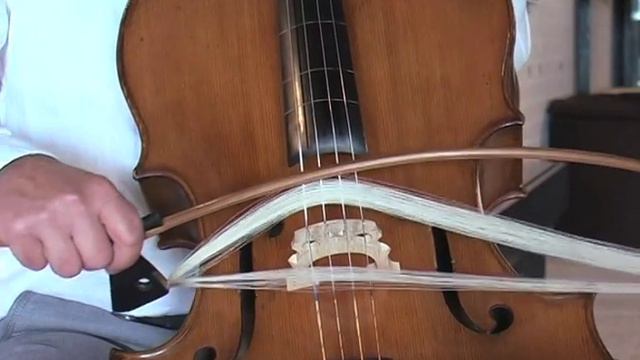
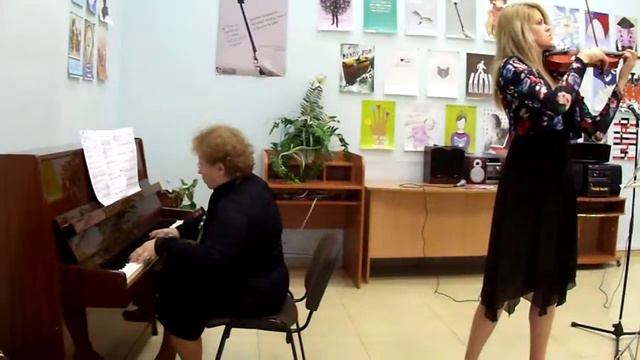
Музыкальная композиция Церковь "Благодать" https://grace.by/ Церковь 'Благодать' Минск https://www.youtube.com/user/graceminskA live concert performance by violinist Mi-Young Park, one of Efrem Zimbalist's last protégés at the Curtis Institute of Music - an old audio tape with Concerto Soloists of Philadelphia, Marc Mostovoy, conductor. (Music: 12:53) The tape's fidelity and balances are uneven, but Mi-Young Park's superb musicianship shines through. Her sense of style, thoughtful phrasing, mastery of nuance, and depth of feeling coalesce in a highly individualistic interpretation. Note her exceptionally tasteful ornamentation throughout, especially in the second movement which absolutely requires such treatment. She uses the original Locatelli cadenzas rather then the extended capriccios, the latter being important exercise studies but not musically engaging. MI-YOUNG PARK was born in 1948 in Seoul, Korea, where she began her violin studies at the age of seven. After winning First Prize at the Korean National Music Competition, she appeared as soloist with the Seoul Philharmonic and the Korean Broadcasting Symphony Orchestra. At age fourteen, she was accepted by Efrem Zimbalist as a full scholarship student to the Curtis Institute of Music in Philadelphia. Upon Zimbalist's retirement in 1968, Ms. Park continued her studies at Curtis with Ivan Galamian and Paul Makanowitzky. While at the Curtis Institute and following her graduation, she performed as soloist and member of Concerto Soloists of Philadelphia concertizing throughout the USA and abroad. She also gave recitals with her sister, pianist Pong-Hi, for more than forty years, performing repertoire spanning three centuries. At a relatively young age, due to health issues, she limited her appearances to the Philadelphia region, performing until 2005. She is now retired and lives in center city Philadelphia. This performance is a testament to the extraordinary talent and "old world" musicianship of violinist, Mi-Young Park.Atelier BACH.Bogen Curved Bow Techniques (IV) Michael Bach, cello with curved bow www.bach-bogen.de contact@bach-bogen.de▶ Check out my Suzuki Violin Book 1 Playlist: https://bit.ly/3tu9t8i Play May Song along with me from Suzuki Violin Book 1 Song 6. In my teaching experience, if you listen, watch or play along 5 times a day, you will learn this May Song in a week! Happy Practicing! 🎻 Check out https://suzukiviolinonline.com/ if you're interested in online lessons! 🎻 Learn How to Memorize Music Quickly https://www.youtube.com/watch?v=7TY6cXtNiEk 🔴 Please Subscribe to our channel. It will help us make more content like this! 🎻 https://www.youtube.com/c/SuzukiViolinOnline My Favorite Gear: Polishing Cloth: https://amzn.to/30Z42ij Tuner: https://amzn.to/314NqWJ Rosin: https://amzn.to/3dsam75 Second option Rosin: https://amzn.to/2GMmW5v FUN Rosin: Dragon fiddler: https://amzn.to/3jUQL21 Manuscript: https://amzn.to/33UsKmb Rosin Cat: https://amzn.to/3iZaOLg Cello Stand: https://amzn.to/3sYWhoW (These are affiliate links that help us to keep the channel going through small commissions. Thank you for your support!) Connect with me! LIKE: https://www.facebook.com/suzukiviolinonline/ FOLLOW: https://twitter.com/RebekahAHood #SuzukiviolinMaySong #MaySongSuzukiViolinbook131.01.2016 Центральна міська бібліотека м. Дніпропетровськ, Україна. Концерт "Виконується вперше" Асоціації композиторів Дніпропетровського обласного відділення Національної всеукраїнської музичної спілки. "Елегія" Валентини Фалькової Фортепіано - Ірина Єгерєва, скрипка - Юлія Семенко (викладачі ДДМШ №3)БВ 28022022Pianistas, como Jeremy Wong (Finlandia) u Olga Popova (Rusia), han sido capturados por la magia y carisma de Dimash kudaibergen. También hay una pieza interpretada por Nick Negrutiu (Rumania), a duo. Finalizo con la cellista Nurmira Greenberg (Kyrguistán). Todos ellos, con selectos estudios en prestigiosas academias y universidades. Los covers que he seleccionado son para que ustedes se acompañen, o bien los usen como música de apoyo, mientras comparten con invitados o familia en esos eventos donde el reencuentro y la buena conversación surgen espontáneos. Disfruten esta primera entrega de todo corazón. 00.02.50 Hr Olga Popova, piano; “My Swan” 00.05.10 Hr “Late Autumn” 00.10.13 Hr “Know” 00.12.50 Hr “Mademoiselle Hyde” 00.15.40 Hr “War and Peace” 00.19.45 Hr Jeremy Wong, piano; “Adagio” 00.22.34 Hr “All by Myself” 00.26.48 Hr “Confessa” 00.29.12 Hr “Daididau” 00.33.13 Hr “Late Autumn” 00.37.02 Hr “Unforgettable Day” 00.40.43 Hr “SOS d’un terrién en detresse” 00.43.48 Hr Nick Negrutiu, piano “The love is like a dream” 00.48.40 Hr Simon Buerky, piano; “Kusni Korlan” 00.51.26 Hr Nurmira Greenberg, Cello; “Marigolds” 00.54.09 Hr “Give me love” Links to these artists in Youtube channels: 1. To Olga Popova https://www.youtube.com/channel/UC-EFplXLjEgO-hojk4zylZw 2. To Nurmira Greenberg https://www.youtube.com/user/kyrgyznur 3. To Jeremy Wong https://www.youtube.com/c/Jerekeys89SGFI/videosВ этом видео вы увидите прохождение игры TABS Больше интересных видео вы сможете увидеть на нашем канале https://www.youtube.com/channel/UCb5Ov-D2n-jYXRqHspHmkKw Обязательно подписывайтесь на наш канал, ставьте лайки и делитесь этим видео с друзьями. Чем нас больше, тем больше видео будет выходить на канале. Любая ваша поддержка стимулирует развитие канала и выход новых видео. Наша группа в VK https://vk.com/billibonsyt Подключайтесь к каналу Discord https://discord.gg/hpejMWgf7y Поддержать канал вы можете тут https://donatepay.ru/don/billybons https://www.donationalerts.com/r/symykCristina Dimitrova violin 15 years old 2015Bürotelefon klingelt, sonnerie de téléphone de bureau, 辦公室電話鈴, 사무실 전화벨,звонок офисного телефона,ofis telefonu zəngi,رنين هاتف المكتب by pixabayФестиваль "Мир странной музыки" (г.Санкт-Петербург 22.03.2008)Beethoven trio op 11. Adagio. Moscow trio Владимир Иванов (скрипка), Михаил Уткин (виолончель), Александр Бондурянский (фортепиано) 1 октября 1997. КраснодарBudylo Kristina . Будыло Кристина .Op.35 Fantasia appassionata for Violin and Orchestra or Piano (c.1860) . Augustina Vizbaraitė(Violin),Dainius Jozėnas(Piano) . A. Vizbaraitė's teacher - Gintvilė Vitėnaitė. Camera by Rita Eriksonienė.Music - JS Bach - Sarabande from his Partita #2 in D minor for solo violin (BWV 1004) Violinist - Farhad Moayedi Director - Fraser Clark#midi #Howtoplaypiano #SLOWEASYPIANOTUTORIAL Niccolò Paganini - Caprice No. 24 PIANO TUTORIAL Як грати на піаніно відомі мелодії. Пісні на піаніно для початківців. Улюблені мелодії на піаніно. Розбір улюблених мелодій на піаніно. Пісні на піаніно по цифрах. SLOW EASY PIANO TUTORIAL Piosenki na fortepian są bardzo łatwe. Znane piosenki fortepianowe. Piosenki na fortepian dla początkujących. Famous piano melodies for beginners. Piano melodies for beginners. How to play famous melodies on the piano. Fortepijono melodijos pradedantiesiems Dainos fortepijonui pradedantiesiems. Mėgstamiausios melodijos fortepijonu Klaverilaulud on väga lihtsad. Kuulsad klaverilaulud. Məşhur piano mahnıları. Piano oyunu başlayanlar üçün. Pianoda sevimli melodiyalar. Фортепиано әндері өте оңай. Танымал фортепианолық әндер. Жаңадан бастаушыларға арналған фортепиано ойыны. Фортепианода әйгілі әуендерді қалай ойнауға болады. Фортепианодағы сүйікті әуендер. Фортепианодағы сүйікті әуендеріңізді талдау. Slavenās klavierdziesmas. Klavieru spēle iesācējiem. Klavieru melodijas iesācējiem. Klavierdziesmas iesācējiem. Mīļākās melodijas uz klavierēm. Klavírne piesne sú veľmi jednoduché. Slávne klavírne piesne. Slávne klavírne melódie pre začiatočníkov. Piyano şarkıları çok kolaydır. Yeni başlayanlar için piyano melodileri. Piyanoda favori melodiler. Znane pesmi za klavir. Klavirske melodije za začetnike. Песните за пиано са много лесни. Известни песни за пиано. Мелодии за пиано за начинаещи. Любими мелодии на пиано. Las canciones para piano son muy fáciles. Canciones famosas para piano Famosas melodías de piano para principiantes. Melodías de piano para principiantes. Canciones de piano para principiantes. Melodías favoritas en el piano. Le canzoni per pianoforte sono molto facili. Canzoni famose per pianoforte. Famose melodie di pianoforte per principianti Pianino qo'shiqlari juda oson Mashhur pianino qo'shiqlar. Yangi boshlanuvchilar uchun pianino ohanglari Pianino uchun sevimli musiqalar. Песме за клавир су веома лаке. Познате клавирске песме. Познате мелодије клавира за почетнике. Клавирске песме за почетнике. Këngë të njohura për piano. Melodi piano për fillestarët. Si të luani meloditë e famshme në piano. Këngë piano për fillestarët. Meloditë e preferuara në piano أغاني البيانو سهلة للغاية. أغاني البيانو الشهيرة. ألحان البيانو للمبتدئين. أغاني البيانو للمبتدئين. 유명한 피아노곡. 초보자를 위한 피아노곡. Известни мелодии за пиано за начинаещи Песни за пиано за начинаещи. Klaversange er meget nemme. Berømte klavermelodier for begyndere. Klavermelodier for begyndere Klaversange for begyndere. Yndlingsmelodier på klaveret שירי פסנתר מפורסמים. מנגינות פסנתר מפורסמות למתחילים. מנגינות פסנתר למתחילים. שירי פסנתר למתחילים. Pianosongs zijn heel eenvoudig. Beroemde pianomelodieën voor beginners. Pianomelodieën voor beginners. Hoe beroemde melodieën op de piano te spelen Favoriete melodieën op de piano. Pianosanger er veldig enkle. Pianomelodier for nybegynnere. Hvordan spille kjente melodier på piano. Favorittmelodier på piano. Músicas de piano são muito fáceis. Canções de piano famosas. Melodias de piano para iniciantes. Como tocar melodias famosas no piano Músicas de piano para iniciantes. Melodias favoritas no piano. Pianolåtar är väldigt lätta. Kända pianomelodier för nybörjare Pianomelodier för nybörjare Pianolåtar för nybörjare. Favoritmelodier på piano. ピアノ曲はとても簡単です。 ピアノの名曲。 初心者向けのピアノメロディー。 Tá amhráin pianó an-éasca. Amhrán cáiliúil pianó Amhrán cáiliúil pianó do thosaitheoirí Amhrán pianó do thosaitheoiríPavel Burdych / Zuzana Berešová Antonin Dvořák (1841-1904) was a Bohemian Composer. Following the Romantic-era nationalist example of his predecessor Bedřich Smetana, Dvořák frequently employed rhythms and other aspects of the folk music of Moravia and his native Bohemia. Dvořák's own style has been described as "the fullest recreation of a national idiom with that of the symphonic tradition, absorbing folk influences and finding effective ways of using them". Dvořák took organ, piano, and violin lessons from his German-language teacher Anton Liehmann. Liehmann also taught the young boy music theory and introduced him to the composers of the time; Dvořák had much regard for Liehmann despite his teacher's violent temper. After leaving for Prague in September 1857, Dvořák entered the city's Organ School, studying singing with Josef Zvonař, theory with František Blažek, and organ with Joseph Foerster. The latter was not only a professor at the Prague Conservatory, but also a composer for the organ; his son Josef Bohuslav Foerster became a better known composer. When Dvořák turned age 33 in 1874, however, he remained almost unknown as a composer outside the area of Prague. That year, he applied for and won the Austrian State Prize ("Stipendium") for composition, awarded in February 1875 by a jury consisting of the critic Eduard Hanslick, Johann Herbeck, director of the State Opera, and Johannes Brahms. The jury received a "massive submission" from Dvořák: "fifteen works including two symphonies, several overtures and a song cycle". Brahms was "visibly overcome" by the "mastery and talent" of Dvořák. The two symphonies were Dvořák's third and fourth, both of which had been premiered in Prague in the spring of 1874. Dvořák entered the Austrian Prize competition again in 1877, submitting his Moravian Duets and other music, possibly his Piano Concerto. In 1890, influenced by Pyotr Ilyich Tchaikovsky, Dvořák also visited Russia, and conducted performances of his music in Moscow and St. Petersburg. In 1891, Dvořák received an honorary degree from the University of Cambridge, and was offered a position at the Prague Conservatory as professor of composition and instrumentation. At first he refused the offer, but then later accepted; this change of mind was seemingly a result of a quarrel with his publisher Simrock over payment for his Eighth Symphony. From 1892 to 1895, Dvořák was the director of the National Conservatory of Music in New York City. Dvořák's main goal in America was to discover "American Music" and engage in it, much as he had used Czech folk idioms within his music. Shortly after his arrival in America in 1892, Dvořák wrote a series of newspaper articles reflecting on the state of American music. He supported the concept that African-American and Native American music should be used as a foundation for the growth of American music. He felt that through the music of Native Americans and African-Americans, Americans would find their own national style of music. Here Dvořák met Harry Burleigh, who later became one of the earliest African-American composers. Burleigh introduced Dvořák to traditional American spirituals. In the winter and spring of 1893, Dvořák was commissioned by the New York Philharmonic to write Symphony No. 9, From the New World, which was premiered under the baton of Anton Seidl, to tumultuous applause. In 1895 he went back to Europe. During Dvořák's final years, he concentrated on composing opera and chamber music. In November 1895, he resumed his professorship at the Prague Conservatory. In 1897 Dvořák's daughter Otilie married his student, the composer Josef Suk. On 4 April 1900 Dvořák conducted his last concert with the Czech Philharmonic, performing Brahms’ Tragic Overture, Schubert's "Unfinished" Symphony, Beethoven's 8th Symphony, and Dvořák's own symphonic poem The Wild Dove. The first Czech Musical Festival, in April 1904, had "a programme consisting almost entirely" of Dvořák's music (Leoš Janáček was disappointed that none of his music was performed.)